

Seasonal Planning
How Weather Affects Your Car Shipment
Weather is one of the biggest variables in auto transport, since carriers drive real roads through real conditions, not a fixed, weatherproof route. Understanding how different seasonal weather patterns affect scheduling and access helps you plan realistically rather than being surprised by a shifted pickup window.
Quotes are free to request. Nothing is charged unless you accept an offer.
- Guide
- Seasonal Planning
- Reading
- 7 sections
- Applies to
- Contiguous US shipments
- Cost to ask
- Quotes are free
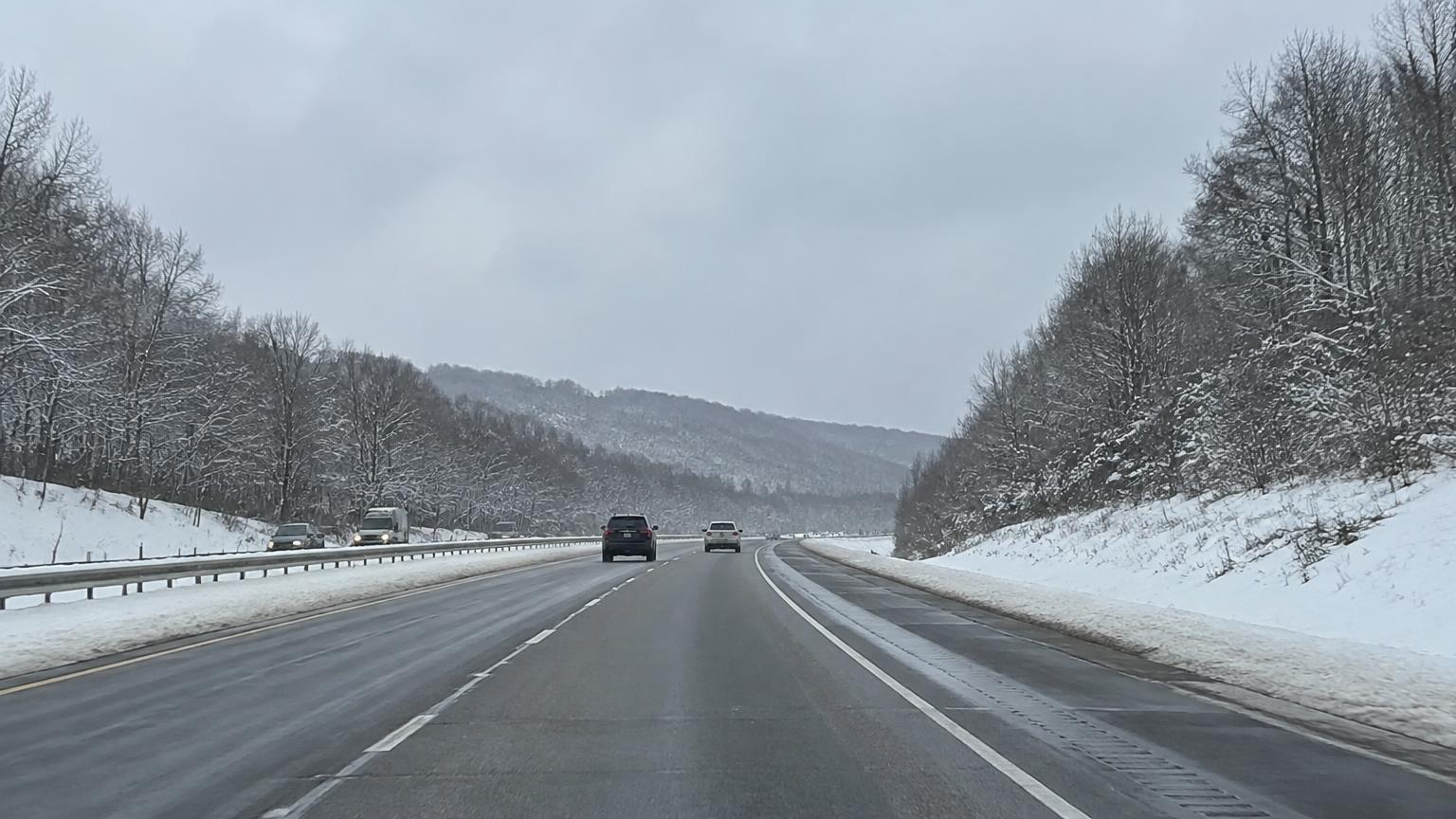
Photo: Illustrative transport image, Created for Velocity Auto Transport Group
Snow and ice on the route
Winter storms can slow highway travel significantly, and carriers adjust their routes and timing around road conditions, closures, and safety, particularly through northern states and mountain corridors. A pickup or delivery window near a storm system may need to shift by a day or more, not because of anything wrong with the shipment, but because the driver is managing real road conditions along the way.
Mountain passes and elevation changes
Routes crossing mountain passes, in the Rockies, Sierra Nevada, Appalachians, or elsewhere, can be affected by snow and ice well after conditions have cleared at lower elevations nearby. Some passes see periodic closures or chain requirements during winter months. If your route crosses mountainous terrain during winter, build extra flexibility into your expected timeline.
Hurricane season along the coasts
Coastal areas, particularly the Gulf Coast and Atlantic Seaboard, see hurricane season affect both scheduling and access during storm threats. As a storm approaches, evacuation orders, road closures, and general traffic disruption can delay pickup or delivery in the affected area, and carriers reasonably prioritize safety over schedule during active storm conditions.
Wildfire season in the West
Wildfire activity in parts of the West can close highways, trigger evacuation zones, and reduce visibility from smoke, all of which affect a carrier's ability to safely reach a pickup or delivery address during active fire conditions. If you're shipping to or from an area under fire watch or evacuation notice, expect that timing may need to flex around the situation on the ground.
Flooding and access issues
Heavy rain and flooding, whether from a storm system or seasonal patterns, can make roads impassable for a large transport truck even when the immediate area seems fine. Low-lying streets and areas prone to flash flooding are worth flagging to your coordinator if you know your pickup or delivery address is in a flood-prone area, so an alternate meeting point can be discussed if needed.
How enclosed transport factors into winter shipping
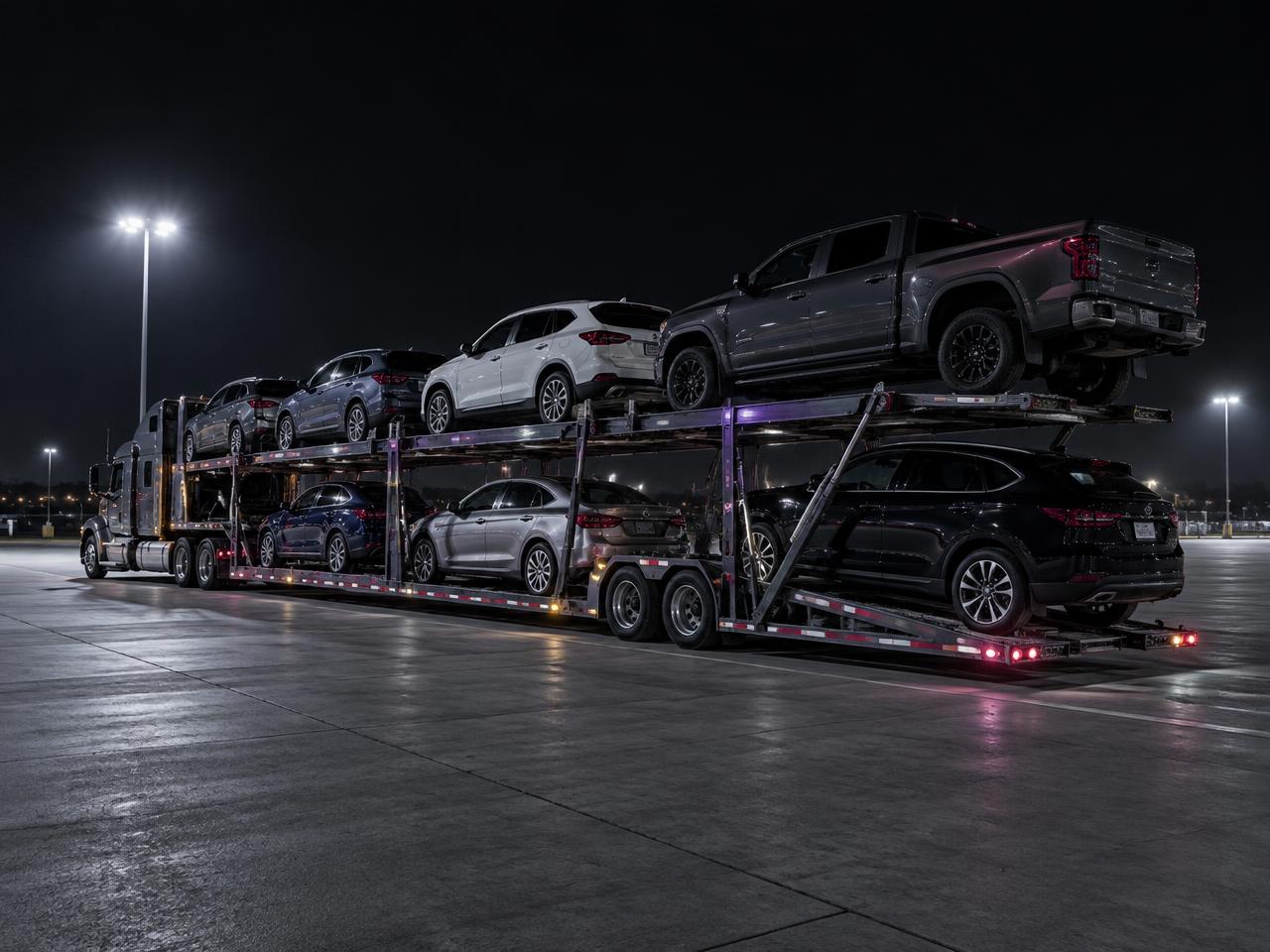
For vehicles especially sensitive to road salt, slush, and grime, some shippers choose enclosed transport during winter months for the added protection from the elements along the route. This is a matter of preference and priority rather than a necessity for every vehicle, and it's worth discussing with your coordinator if you're shipping during peak winter conditions.
Building flexibility into your schedule
Across all of these scenarios, the common thread is the same: weather-related delays are about safety, not scheduling carelessness, and the best way to manage them is to build some flexibility into your expected pickup and delivery dates whenever your plans allow it, especially if you're shipping during a season or through a region known for weather disruptions.
When you are ready, request a written quote or contact us with questions about your specific vehicle and route.
Velocity Auto Transport Group LLC is an auto transport brokerage. We arrange vehicle transportation through qualified motor carriers and coordinate your shipment from quote to delivery — the carrier assigned to your vehicle operates the truck.
How we work
What you can expect from us
We are a licensed-carrier brokerage, not a trucking fleet
Velocity Auto Transport Group LLC arranges your transport with qualified motor carriers. The carrier assigned to your vehicle operates the truck; we coordinate the booking, the paperwork and the updates.
Written quotes, reviewed by a person
Your route, vehicle and timing are reviewed against current carrier-market conditions before we send a quote. No instant algorithmic number that changes after you book.
One point of contact from quote to delivery
You reach the same team for scheduling changes, pickup windows and delivery updates rather than a call queue.
Questions
Common questions
No obligation — requesting a quote is free, and payment only applies once you accept an offer.
Get a quote
Ready for a straight answer on your route?
Tell us the route, the vehicle and its condition. We review current carrier-market conditions for that lane and come back with a quote we can actually stand behind.