

Colorado car shipping
Car shipping across Colorado's Front Range and mountain corridors
Colorado's Front Range cities handle most of the state's vehicle transport volume, while its mountain terrain and winter weather shape timing and access in ways flatter states don't deal with. Velocity Auto Transport arranges shipments to, from and within Colorado through vetted carriers, coordinating each move as a brokerage rather than running trucks ourselves.
Written quotes for your actual route — no deposit before a carrier is assigned.
Denver and the Front Range corridor
Denver, Colorado Springs, Boulder and Fort Collins sit along the I-25 corridor and collectively make up the bulk of Colorado's population and vehicle transport demand. That density supports strong carrier availability along the Front Range, generally faster than in the state's mountain towns or Western Slope communities.
Mountain terrain and winter weather
Colorado's mountain passes and higher-elevation routes see real winter weather from roughly late fall through early spring, which can slow or occasionally close sections of highway, particularly over the Continental Divide. Vehicles being shipped to mountain resort towns or Western Slope destinations during winter should expect the possibility of weather-related delays, and booking with some schedule flexibility is a good idea in those months.
Ski season and resort-town shipping
Colorado's ski resort towns — Aspen, Vail, Breckenridge and similar communities — see seasonal vehicle traffic tied to second-home owners and seasonal workers moving vehicles in ahead of winter and back out in spring. These towns have narrower carrier access due to mountain roads and limited space for large trucks, so a driver may need to meet at a more accessible point outside the immediate town center.
Open versus enclosed transport
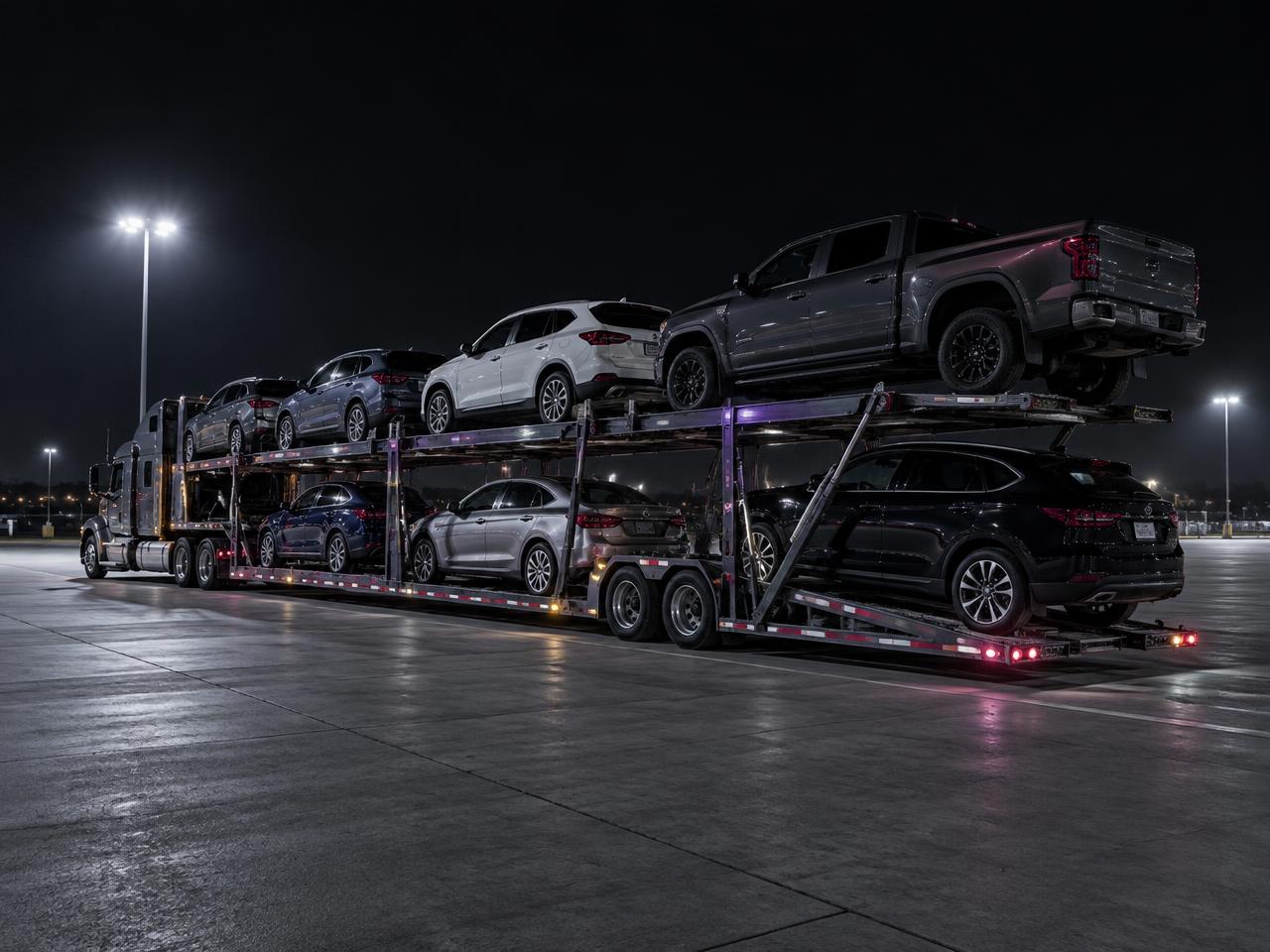
Open transport remains standard for most Colorado shipments and offers the widest carrier availability along the Front Range. Enclosed transport is a reasonable choice for higher-value vehicles or anything being shipped during winter storm windows where extra protection from road spray, salt and weather exposure matters more than it would in milder climates.
Elevation and vehicle preparation
Colorado's elevation swings from around a mile high on the Front Range to well over two miles in mountain areas, which is generally not something that affects a vehicle in transit but is worth mentioning if a car has any pre-existing mechanical issues sensitive to altitude. Standard preparation — a quarter tank of fuel, personal items removed, and a set of photos before pickup — applies the same as anywhere else.
Not sure which equipment or timing fits? How auto transport works walks through the process end to end, and car shipping costs explains every pricing input. You can also compare open and enclosed equipment, or contact us with the route.
Markets we coordinate
Denver · Colorado Springs · Boulder · Fort Collins · Aurora · Grand Junction · Aspen · Vail
Transport in these areas is arranged through the carrier network. We do not operate offices or terminals in these locations.
Velocity Auto Transport Group LLC is an auto transport brokerage. We arrange vehicle transportation through qualified motor carriers and coordinate your shipment from quote to delivery — the carrier assigned to your vehicle operates the truck.
Corridors
Lanes that matter for Colorado
Corridor density is one of the biggest reasons two shipments of similar distance price and schedule differently.
I-25 through the Front Range
Connects Colorado Springs, Denver and Fort Collins — the state's busiest and most reliably served corridor for carrier availability.
I-70 through the Rockies
The main east-west route connecting Denver to mountain resort towns and the Western Slope; winter weather can slow travel on this route more than others in the state.
Colorado – Texas/New Mexico
I-25 south connects Colorado to Albuquerque and on toward Texas, a steady lane for relocation and dealer shipments.
Colorado – Utah/Nevada
I-70 and I-80 westbound connect Colorado to Salt Lake City and onward to Nevada and the West Coast.
Plan around this
Colorado planning considerations
- Winter mountain-pass delays: Late fall through early spring weather can slow or close sections of I-70 and other mountain routes; build flexibility into winter shipments.
- Resort-town access: Narrow mountain roads in ski towns often mean meeting the carrier outside the immediate town center.
- Front Range density advantage: Denver-area shipments generally get faster carrier matching than mountain or Western Slope destinations.
- Seasonal second-home moves: Ski season creates a seasonal pattern of vehicles moving into and out of mountain communities.
Questions
Colorado car shipping questions
Related guides
Keep planning your Colorado shipment
Get a quote
Get a quote for your Colorado shipment
Tell us the route, the vehicle and its condition. We review current carrier-market conditions on your lane and come back with a written quote we can stand behind.