

Oregon Auto Transport
Vehicle transport across Oregon, from the Portland metro to the coast and high desert
Oregon's population and vehicle activity concentrate heavily along the I-5 corridor running through Portland, Salem, and Eugene, with a very different landscape east of the Cascades and along the coast. Velocity Auto Transport arranges carriers for both the busy I-5 lane and the state's more remote regions, adjusting expectations for mountain routes, coastal towns, and Oregon's noticeably different eastern high desert.
Written quotes for your actual route — no deposit before a carrier is assigned.
The I-5 corridor does the heavy lifting
Portland, Salem, and Eugene sit along I-5, which carries the bulk of Oregon's north-south carrier traffic and connects the state to Washington in the north and California in the south. Most Oregon vehicle shipments touch this corridor at some point, and cities along it are generally the easiest and quickest to schedule given how much carrier traffic already runs through.
Crossing the Cascades
Central and eastern Oregon, including Bend and areas further east, sit on the other side of the Cascade Range from Portland, and mountain passes connecting the two regions can see significant snow in winter. Carriers serving Bend and points east plan around potential pass closures or chain requirements during winter months, which can affect timing on either side of the mountains.
Oregon coast access
Coastal towns along US-101, from Astoria down to Coos Bay and beyond, are reachable but sit apart from the main I-5 corridor, often requiring a carrier to make a dedicated trip over coastal mountain roads. This can mean coastal deliveries take a bit more lead time to schedule than a straightforward Portland or Eugene stop.
Portland's urban density
Parts of Portland, especially older inner neighborhoods, have narrow streets, limited parking, and traffic patterns that aren't ideal for a large carrier. It's common for pickups and deliveries in these areas to happen at a nearby commercial lot or wider arterial street rather than directly in front of the house.
Open vs. enclosed transport
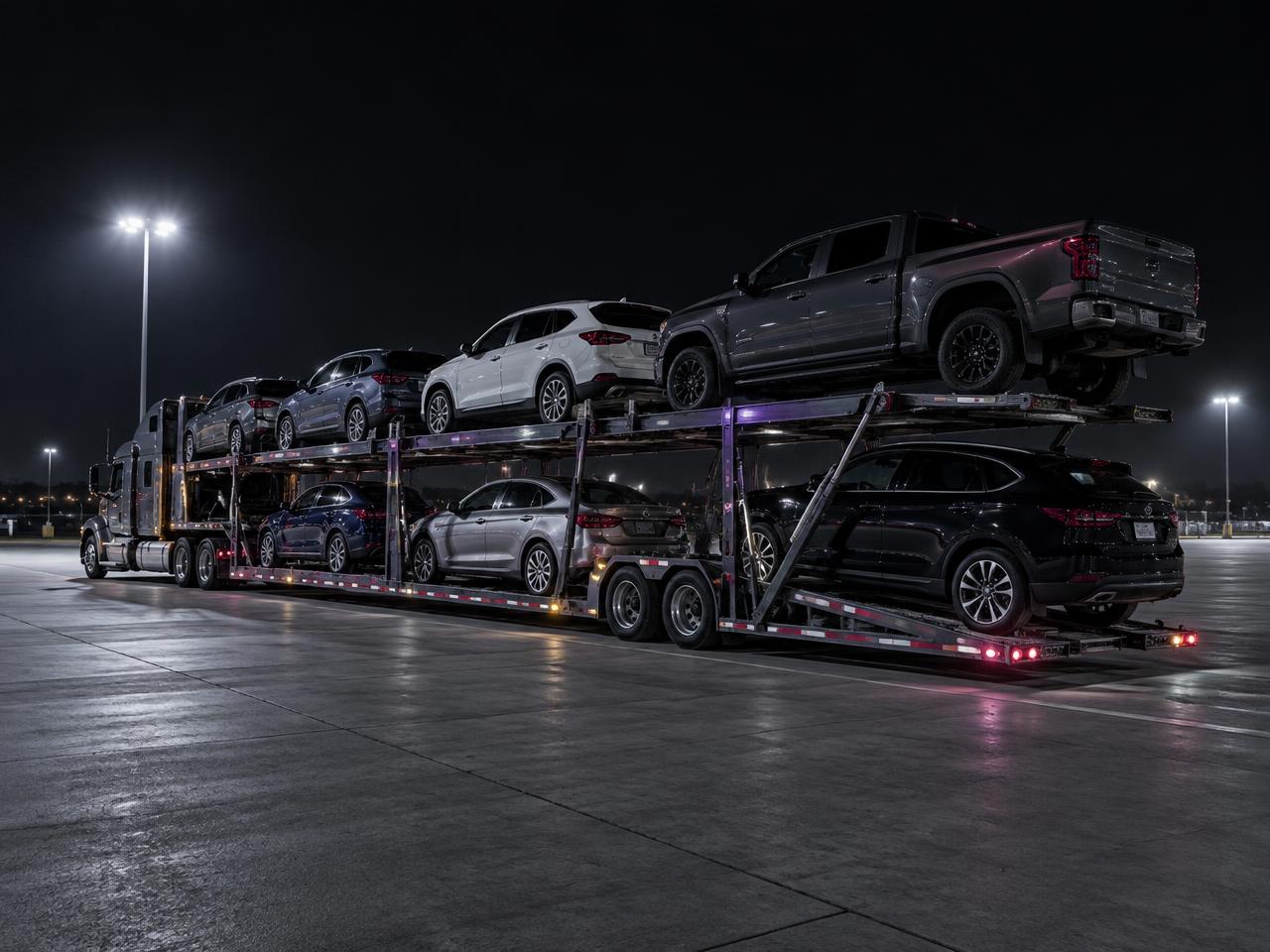
Open transport is the standard, economical choice for most Oregon shipments and handles the state's mix of everyday vehicles, trucks, and outdoor-oriented SUVs well. Enclosed transport is worth considering for a vehicle you'd like to keep away from coastal salt air or winter road grime, or for classic and higher-value vehicles.
Weather patterns worth knowing
Western Oregon, including Portland and the Willamette Valley, sees frequent rain in fall, winter, and spring, generally without extreme temperature swings, while eastern Oregon has a drier, more continental climate with hotter summers and colder winters. Both patterns are manageable for shipping, but they factor into route timing, especially around mountain passes in winter.
Why people ship vehicles in Oregon
Relocation into Portland's tech and outdoor-industry sectors is a steady source of demand, along with moves tied to Oregon's universities, seasonal moves for residents splitting time between the coast and inland areas, and dealer or private-party vehicle purchases moving in from Washington or California. No sales tax on vehicle purchases also draws some buyers to Oregon dealers.
Preparing for pickup and delivery
If you're in a dense Portland neighborhood or a coastal or mountain town with limited access, confirm the meeting point with your coordinator ahead of time. Photograph your vehicle before pickup, and during winter, ask about any pass-related timing considerations if your route crosses the Cascades. Inspect the vehicle carefully at delivery before signing.
Not sure which equipment or timing fits? How auto transport works walks through the process end to end, and car shipping costs explains every pricing input. You can also compare open and enclosed equipment, or contact us with the route.
Markets we coordinate
Portland · Salem · Eugene · Gresham · Hillsboro · Bend · Medford · Corvallis
Transport in these areas is arranged through the carrier network. We do not operate offices or terminals in these locations.
Velocity Auto Transport Group LLC is an auto transport brokerage. We arrange vehicle transportation through qualified motor carriers and coordinate your shipment from quote to delivery — the carrier assigned to your vehicle operates the truck.
Corridors
Lanes that matter for Oregon
Corridor density is one of the biggest reasons two shipments of similar distance price and schedule differently.
I-5 through Oregon
The state's primary corridor, linking Portland, Salem, and Eugene, and connecting north to Washington and south to California.
Oregon – California
A frequent lane along I-5, connecting Portland and Eugene to Sacramento and the Bay Area.
Oregon – Washington
A very common short lane across the Columbia River, tying Portland closely to the Seattle metro area.
US-97 through Central Oregon
The main route serving Bend and points east of the Cascades, connecting toward eastern Washington.
Plan around this
Oregon planning considerations
- Cascade mountain passes: Winter snow can affect timing for shipments crossing between Portland and Bend or points east.
- Coastal detours: US-101 towns sit apart from I-5 and may need more lead time to schedule.
- Dense Portland neighborhoods: Older inner neighborhoods often call for a nearby meeting point instead of direct pickup.
Questions
Oregon car shipping questions
Related guides
Keep planning your Oregon shipment
Seattle car shipping
City-level pickup and delivery detail.
Open guidePortland car shipping
City-level pickup and delivery detail.
Open guideSacramento car shipping
City-level pickup and delivery detail.
Open guideWashington car shipping
Neighbouring state guide.
Open guideCalifornia car shipping
Neighbouring state guide.
Open guideIdaho car shipping
Neighbouring state guide.
Open guideNevada car shipping
Neighbouring state guide.
Open guideNationwide car shipping hub
How nationwide vehicle transport works, and every state guide.
Open guideGet a quote
Get a quote for your Oregon shipment
Tell us the route, the vehicle and its condition. We review current carrier-market conditions on your lane and come back with a written quote we can stand behind.