

Coverage Basics
Understanding Coverage on a Brokered Car Shipment
Velocity Auto Transport Group is a broker: we arrange your shipment with a qualified, independent motor carrier, but we don't own the truck or issue the coverage that applies while your vehicle is in transit. That coverage belongs to the assigned carrier, and understanding how it generally works, and what to ask about it, helps you go into a shipment with realistic expectations rather than assumptions.
Quotes are free to request. Nothing is charged unless you accept an offer.
- Guide
- Coverage Basics
- Reading
- 7 sections
- Applies to
- Contiguous US shipments
- Cost to ask
- Quotes are free

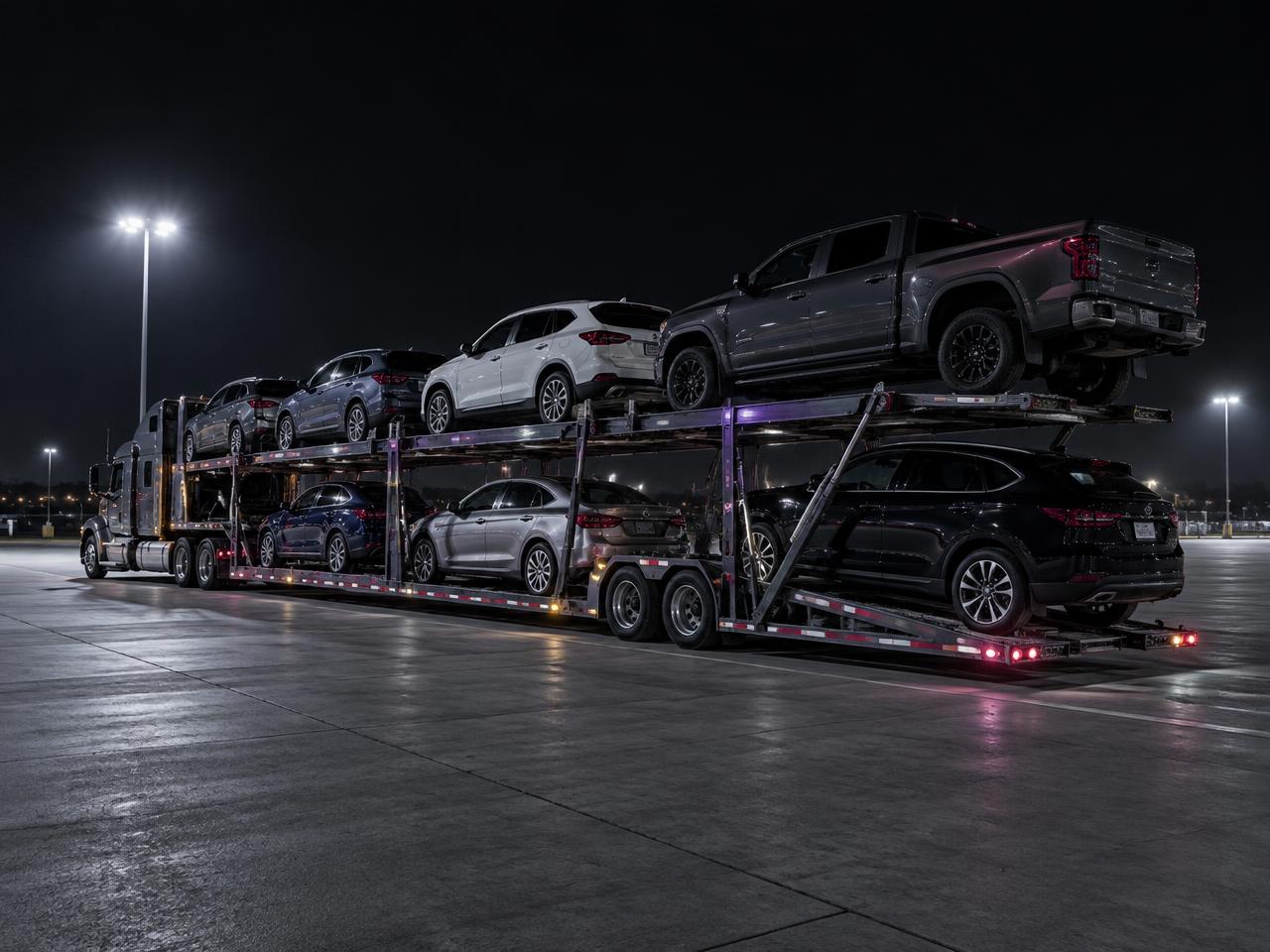
Photo: Illustrative transport image, Created for Velocity Auto Transport Group
Who actually covers the vehicle in transit
Once your vehicle is dispatched, it is assigned to a specific motor carrier, and that carrier's own cargo coverage is what applies while the vehicle is loaded on their truck. A broker like Velocity does not carry a policy that covers vehicles in transit; our role is matching your shipment to a qualified carrier and coordinating the logistics around it. Because coverage sits with the carrier, the details, terms, and administration of any claim are handled between you and that carrier, not by the broker who arranged the booking.
Why the bill of lading matters so much
The bill of lading is the document that accompanies every vehicle shipment, and it does two important jobs: it serves as the contract of carriage between you and the carrier, and it records the vehicle's condition at pickup and again at delivery through a walk-around inspection. Both you (or your authorized representative) and the driver sign it at each end. If a dispute ever arises about the vehicle's condition, this document, compared against your own photos, is the primary reference point, so read it carefully rather than signing without reviewing it.
Ask to see the certificate before pickup
It's reasonable, and worth doing, to ask the assigned carrier for a certificate of their current coverage before your vehicle is loaded. This gives you a chance to confirm the coverage is active and to note the carrier's name exactly as it appears on the document. Keep a copy for your own records alongside your bill of lading and pre-shipment photos. A carrier operating legitimately should be able to provide this without difficulty.
What's generally not covered
Cargo coverage on a car carrier is built around the vehicle itself, not the contents inside it. Personal belongings left in the car, aftermarket electronics, loose accessories, and similar items are generally outside the scope of what a carrier's coverage addresses, and carriers are not equipped to inventory or secure household items the way a moving company would. Removing valuables and personal items before pickup avoids the question entirely; see our guide on personal items in a shipped car for more detail.
The difference between a broker's role and a carrier's coverage
It's easy to conflate the company that answers your calls and coordinates the shipment with the company whose coverage protects the vehicle, but they're often not the same entity. Velocity's job is to find a qualified carrier, communicate your requirements, and stay available if questions come up during the shipment. The carrier's job is the physical transport, and their coverage is what applies to the vehicle while it's on their trailer. Understanding this division helps you know who to contact for what, and why we point coverage questions specifically to the assigned carrier rather than answering them ourselves.
Questions worth asking before you book
Before your shipment is dispatched, it's reasonable to ask what carrier will be assigned, whether you'll be able to request their coverage certificate, and how the bill of lading inspection process works for your specific pickup and delivery. Asking these questions early, rather than the day of pickup, gives you time to review the answers and raise any follow-up questions with your coordinator.
What to do if you have a concern after delivery
If you believe something changed about your vehicle's condition during transit, compare the delivery-time inspection on the bill of lading against your pre-pickup photos and the pickup inspection. Document any discrepancy in writing and notify both your coordinator and the carrier promptly, since claims processes are typically time-sensitive. Because the carrier administers their own coverage, they will guide you through their specific process and requirements.
When you are ready, request a written quote or contact us with questions about your specific vehicle and route.
Velocity Auto Transport Group LLC is an auto transport brokerage. We arrange vehicle transportation through qualified motor carriers and coordinate your shipment from quote to delivery — the carrier assigned to your vehicle operates the truck.
How we work
What you can expect from us
We are a licensed-carrier brokerage, not a trucking fleet
Velocity Auto Transport Group LLC arranges your transport with qualified motor carriers. The carrier assigned to your vehicle operates the truck; we coordinate the booking, the paperwork and the updates.
Written quotes, reviewed by a person
Your route, vehicle and timing are reviewed against current carrier-market conditions before we send a quote. No instant algorithmic number that changes after you book.
One point of contact from quote to delivery
You reach the same team for scheduling changes, pickup windows and delivery updates rather than a call queue.
Questions
Common questions
No obligation — requesting a quote is free, and payment only applies once you accept an offer.
Get a quote
Ready for a straight answer on your route?
Tell us the route, the vehicle and its condition. We review current carrier-market conditions for that lane and come back with a quote we can actually stand behind.