

Before You Ship
Personal Belongings and Your Shipped Vehicle
It's tempting to treat the trunk of a shipped car as extra moving space, but carriers transport vehicles, not household goods, and there are real reasons behind the restrictions on what can stay inside. This guide covers why those limits exist, what to remove, and how to document your car's interior before pickup.
Quotes are free to request. Nothing is charged unless you accept an offer.
- Guide
- Before You Ship
- Reading
- 7 sections
- Applies to
- Contiguous US shipments
- Cost to ask
- Quotes are free
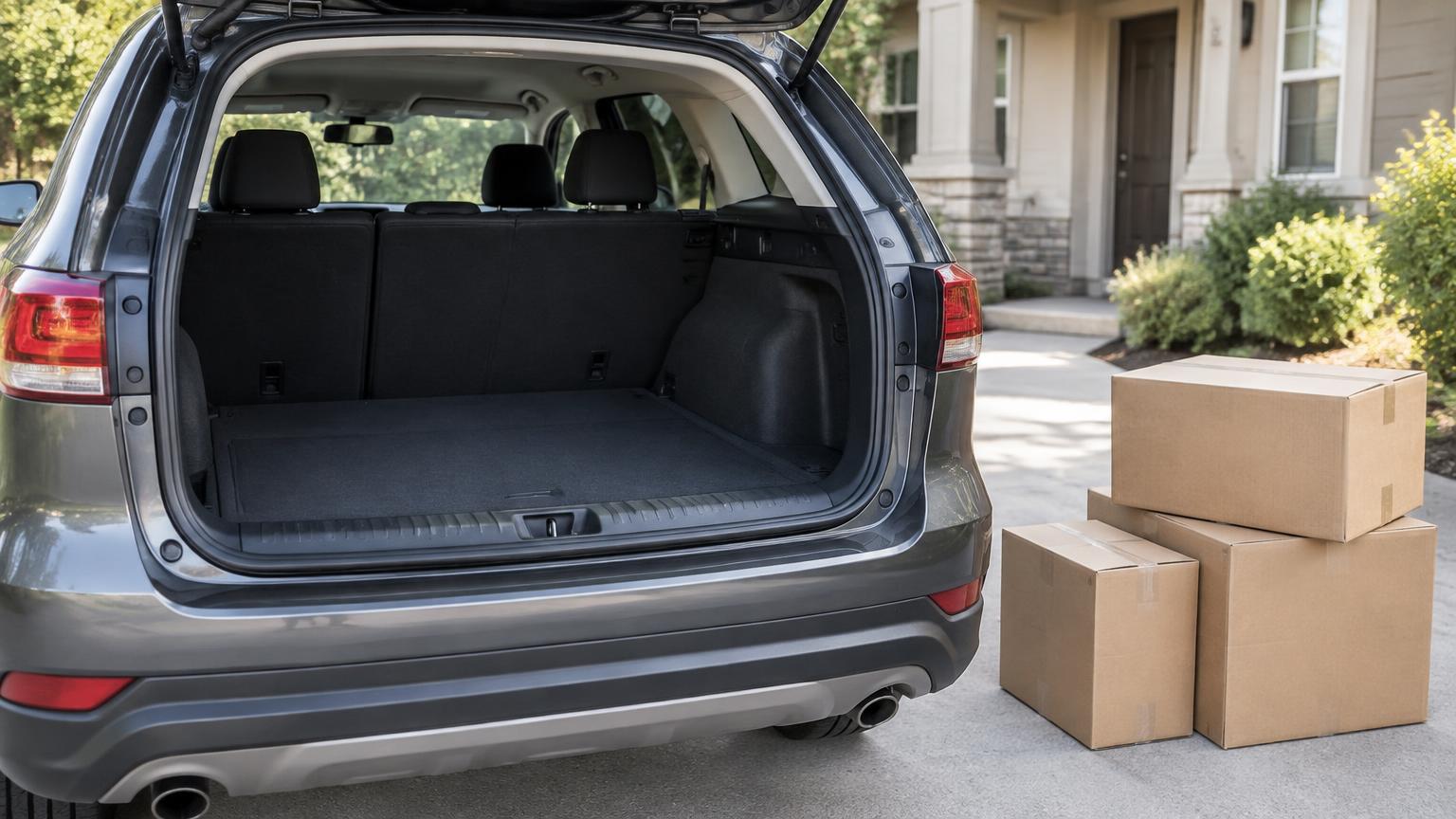
Photo: Illustrative transport image, Created for Velocity Auto Transport Group
Why carriers restrict what's inside the vehicle
Auto transport carriers are equipped and staffed to move vehicles, not to inventory, secure, or take responsibility for personal belongings packed inside them. Coverage tied to a shipment is also built around the vehicle itself, not its contents, so items left inside generally fall outside of what a carrier's process is designed to protect. Because expectations and specific allowances vary by carrier, always confirm directly with your assigned carrier what, if anything, is acceptable to leave inside.
Weight adds up across a load
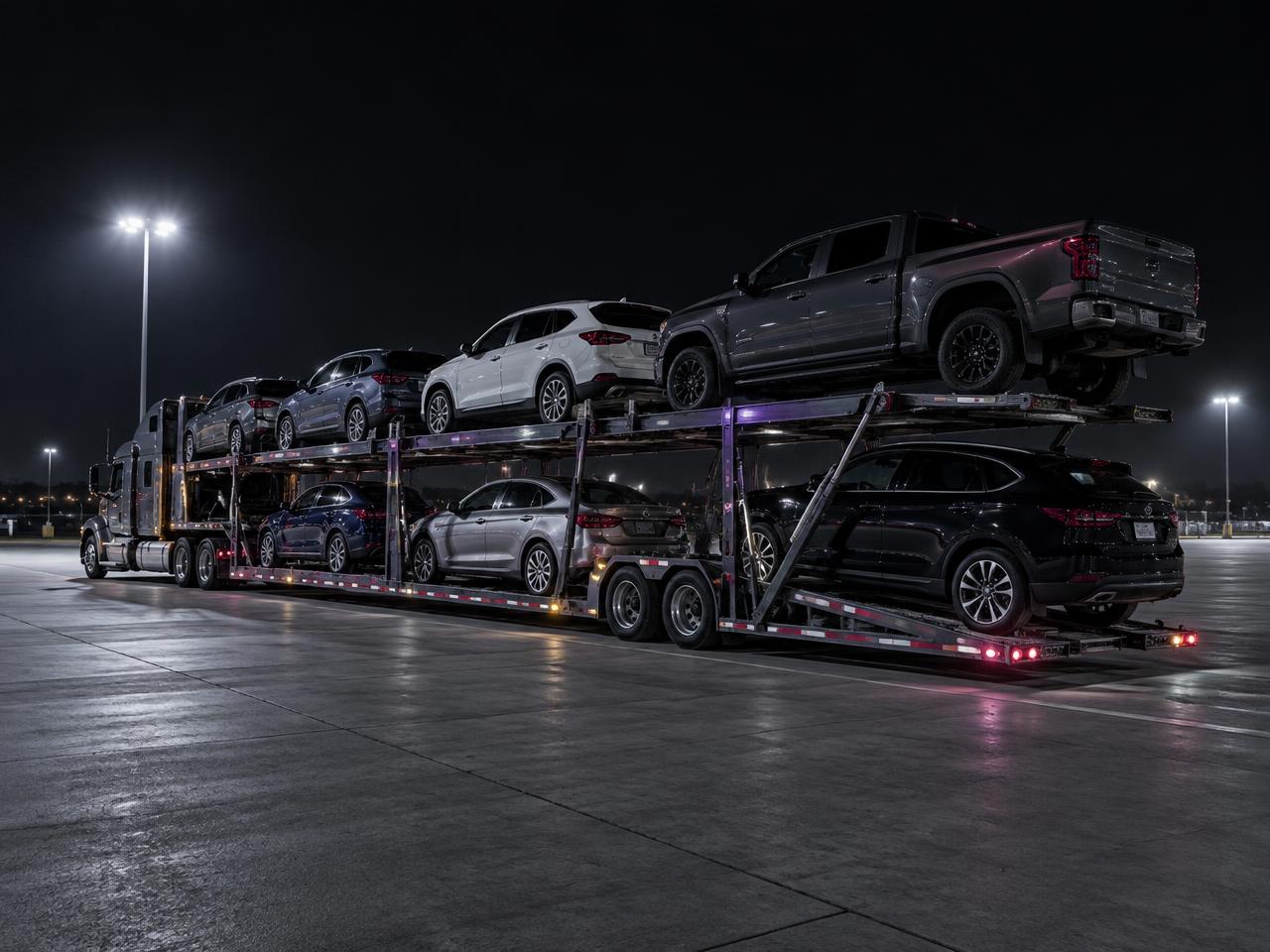
A multi-car carrier is loaded with attention to total weight and balance across the trailer, since commercial vehicle weight limits apply to the whole rig, not just each car. Heavy boxes or bins in the trunk of even one vehicle add to that total, and multiplied across several vehicles on a load, unaccounted-for weight can become a real factor in how a trailer is configured and legally operated.
Loose items become a safety issue in transit
A vehicle on a moving trailer experiences vibration, braking, and road irregularities the whole way, and unsecured items inside can shift, roll, or become projectiles inside the cabin. This isn't just a risk to the items themselves; it can also cause interior damage, like scratched upholstery or a cracked dashboard, from something sliding around that wouldn't move at all in a parked car.
There are legal and practical limits too
Carriers operate under commercial regulations that don't treat a passenger vehicle loaded with belongings the same as an empty one, and inspectors along the route can flag loads that appear to be smuggling household goods inside vehicles for a discount move. Keeping items out of the vehicle keeps the shipment squarely within what it's meant to be: vehicle transport.
What to remove before pickup
Take out valuables, electronics, important documents, cash, medications, and anything irreplaceable; these shouldn't be left in any vehicle in transit regardless of carrier policy. Also remove loose items in the trunk, back seat, and glovebox that could shift around, along with toll transponders, which can rack up unexpected charges if left active during the trip.
Aftermarket accessories need their own thought
Roof racks, spoilers, aftermarket antennas, and similar add-ons should be secured, retracted, or removed if they're not firmly fixed, since loose accessories are more exposed to wind and road debris in transit, particularly on open trailers. Mention any unusual aftermarket modifications to your coordinator ahead of time so the carrier isn't caught off guard at pickup.
Documenting your interior before pickup
Before the driver arrives, photograph the interior, including the seats, dash, and trunk, so you have your own record of its condition and confirmation that you removed what you intended to remove. This is a useful companion to the exterior photos you should also be taking, and it gives you a clear reference point if any question comes up about the vehicle's condition at delivery.
When you are ready, request a written quote or contact us with questions about your specific vehicle and route.
Velocity Auto Transport Group LLC is an auto transport brokerage. We arrange vehicle transportation through qualified motor carriers and coordinate your shipment from quote to delivery — the carrier assigned to your vehicle operates the truck.
Checklist
Work through this before pickup day
Printable, in order, and short enough to actually use.
- Remove valuables and documents: Cash, electronics, medications, and important paperwork.
- Clear loose items from the trunk and seats: Anything that could shift or roll during transit.
- Disable toll transponders: Prevents unexpected charges accumulating during the trip.
- Confirm with your carrier: Ask what, if anything, is acceptable to leave inside.
- Secure or remove loose accessories: Roof racks, spoilers, and aftermarket add-ons.
- Photograph the interior: Seats, dash, and trunk, before the driver arrives.
How we work
What you can expect from us
We are a licensed-carrier brokerage, not a trucking fleet
Velocity Auto Transport Group LLC arranges your transport with qualified motor carriers. The carrier assigned to your vehicle operates the truck; we coordinate the booking, the paperwork and the updates.
Written quotes, reviewed by a person
Your route, vehicle and timing are reviewed against current carrier-market conditions before we send a quote. No instant algorithmic number that changes after you book.
One point of contact from quote to delivery
You reach the same team for scheduling changes, pickup windows and delivery updates rather than a call queue.
Questions
Common questions
No obligation — requesting a quote is free, and payment only applies once you accept an offer.
Get a quote
Ready for a straight answer on your route?
Tell us the route, the vehicle and its condition. We review current carrier-market conditions for that lane and come back with a quote we can actually stand behind.