

California to Arizona
California – Arizona Vehicle Transport
California and Arizona are neighboring states connected primarily by I-10, making this one of the more geographically compact interstate lanes Velocity coordinates. Snowbirds heading to the Phoenix and Tucson areas for winter, students, and relocating families move vehicles in both directions, with desert heat rather than winter weather as the main seasonal factor to plan around.
Quotes are free to request. Nothing is charged unless you accept an offer.
- Origin
- California
- Destination
- Arizona
- Direction
- Coordinated both ways
- Equipment
- Open or enclosed
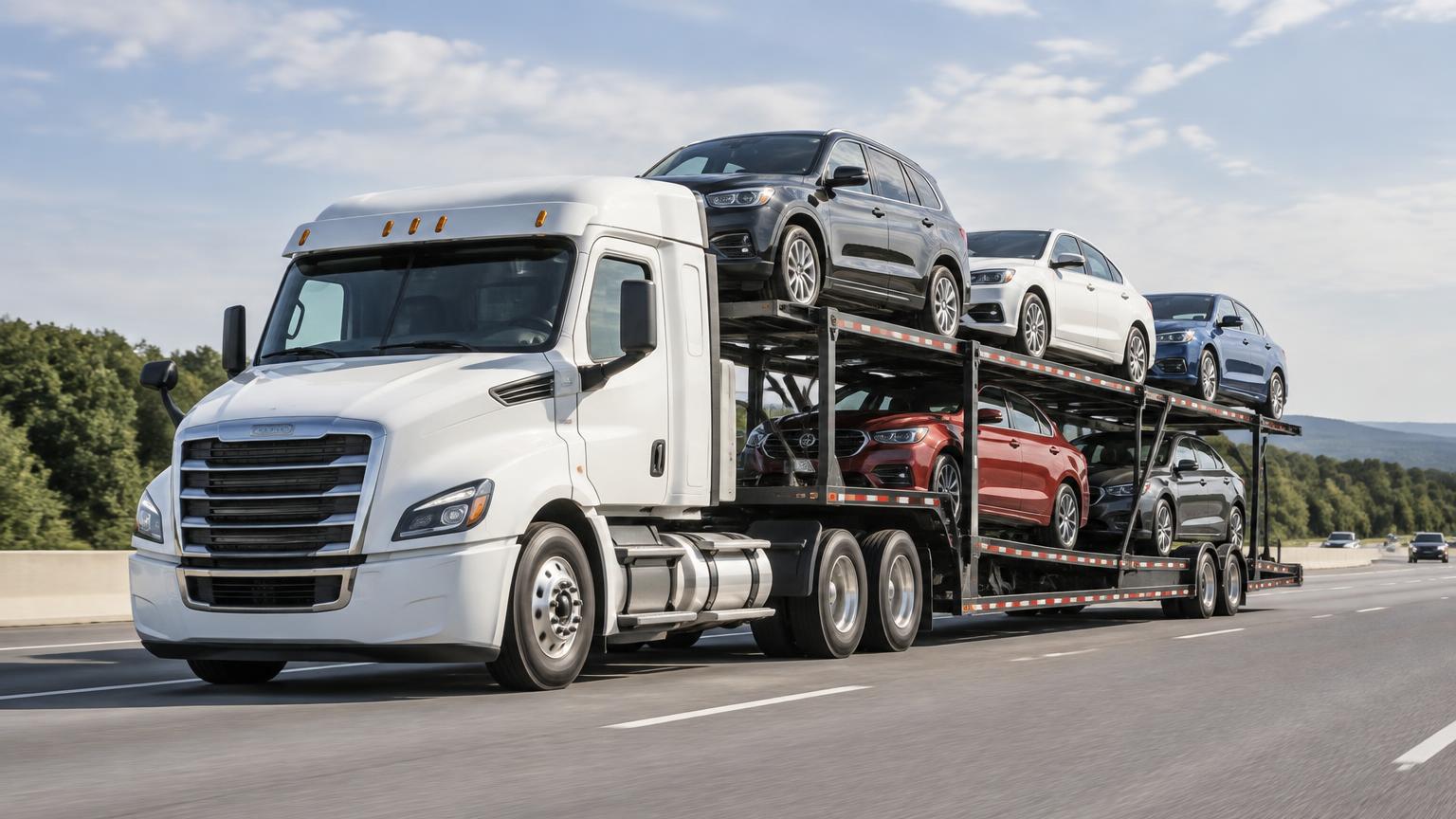
Photo: Illustrative transport image, Created for Velocity Auto Transport Group
- Both directions
- California ⇄ Arizona
- Endpoint access
- Door-to-door where the street allows
- Equipment
- Open multi-car carrier or enclosed trailer
- Timing
- Pickup windows confirmed with the driver
We arrange this lane in either direction. Pricing and availability differ by direction and season because carrier demand is not symmetrical.
Tight residential streets, low-clearance entrances and gated communities are handled with a nearby meeting point the driver can legally load from.
Open transport fits most vehicles on this lane. Enclosed is available for collector, luxury and low-clearance vehicles.
We do not publish transit-time promises. Once a carrier is assigned, the driver confirms realistic pickup and delivery windows with you.
Lane detail
Shipping a vehicle from California to Arizona
Origin and destination context
California pickups cluster around Los Angeles, San Diego, the Inland Empire and Palm Springs, all reasonably close to the Arizona border compared to farther-flung California cities like Sacramento or the Bay Area. Arizona deliveries center on Phoenix, Scottsdale and Tucson, both of which offer wide roads and generally easy carrier access. Because the distance is shorter than many interstate lanes, this route often gets picked up quickly by carriers already running between the two states.
The I-10 corridor
I-10 runs directly from the Los Angeles basin through Palm Springs and Indio, across the California-Arizona border near Blythe, and on to Phoenix and Tucson. It's a well-traveled desert interstate for its entire length on this lane, so routing is fairly predictable; the main variables are seasonal heat and, for southern Arizona deliveries, the exact split between Phoenix and Tucson.
Snowbird season shapes demand
Arizona is a major winter destination for seasonal residents, so demand into Phoenix and Tucson tends to build from October through December as snowbirds arrive for the season, and reverses in spring as they head back to California or elsewhere. Shipping in the popular direction during peak weeks can mean a slightly longer wait for the right carrier match, while off-peak timing or flexible dates generally move faster.
Desert heat in summer
This entire route runs through desert terrain, and summer daytime temperatures in the Coachella Valley, Blythe and central Arizona regularly reach well above 100 degrees. Carriers often schedule loading and driving during cooler parts of the day in peak summer, which is a normal adjustment on this lane rather than a sign of any problem, and is worth keeping in mind if your pickup or delivery window falls during a summer heat wave.
Open versus enclosed transport
Open transport is standard on this lane and covers the large majority of everyday vehicles moving between California and Arizona, with the widest carrier availability. Enclosed transport is a good option for exotics, classics or freshly restored vehicles, offering protection from windblown desert dust and sand that can be more noticeable on exposed desert highways than on routes through greener terrain.
Operable and inoperable vehicles
Vehicles that run and can be driven onto the trailer keep the full range of standard carriers available for this shorter regional lane. A car that won't start but still rolls, steers and brakes can typically be winched aboard without much trouble. A non-rolling vehicle needs a truck with a winch and liftgate, narrowing the carrier pool slightly — describing the true condition at quote time avoids delays finding the right equipment.
Delivery access at both ends
Phoenix, Scottsdale, Tucson and most Southern California suburbs have wide streets and ample parking that make close-to-door delivery realistic in the majority of cases. Denser pockets of Los Angeles or San Diego can involve the same access limits found in any large city, occasionally requiring a nearby meeting point instead of the exact address, though this is less common on this lane than on routes into older Northeast cities.
What determines price and scheduling
On this relatively short interstate lane, price and scheduling speed depend mainly on direction and proximity to snowbird season, whether the vehicle needs open or enclosed equipment, whether it's operable, and how flexible your pickup window is. Summer heat can shift driver scheduling slightly, but the compact distance generally means faster carrier matching than longer cross-country lanes.
Next steps: how auto transport works, what drives cost and the quote form for a written quote on this lane.
Velocity Auto Transport Group LLC is an auto transport brokerage. We arrange vehicle transportation through qualified motor carriers and coordinate your shipment from quote to delivery — the carrier assigned to your vehicle operates the truck.
Illustrative only
Origin
California
Destination
Arizona
We coordinate this lane in both directions — California to Arizona and Arizona to California. The diagram above is a schematic of the two endpoints. It is not a map, a distance estimate or the route the assigned carrier will drive.
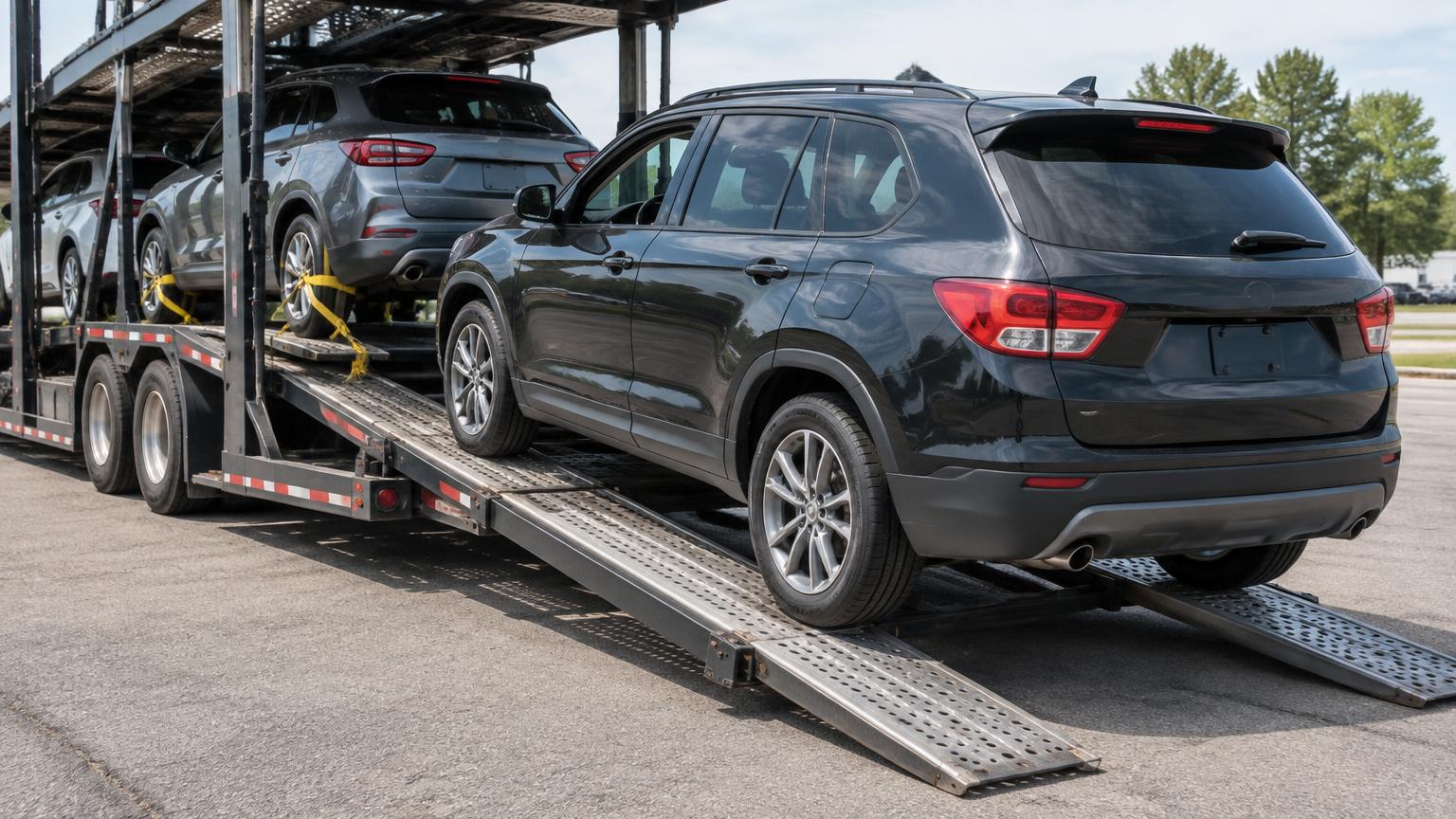
Photo: Illustrative transport image, Created for Velocity Auto Transport Group
Process
Booking this lane, step by step
- 1
Request a quote
Send the pickup and delivery points, the vehicle and whether it runs. Requesting a quote for California to Arizona is free and never charges anything.
- 2
We review the lane
A person reviews your route against current carrier-market conditions, then sends a written quote with the equipment and timing it assumes.
- 3
Carrier assigned
Once you accept, we arrange a qualified motor carrier for your vehicle and confirm the pickup window with you and the driver.
- 4
Pickup and delivery
The driver inspects and loads the vehicle, documents its condition on the bill of lading, and repeats the inspection with you at delivery.
Plan around this
California to Arizona: what to plan around
Seasonal demand, weather windows and endpoint access are the three things worth planning for on this lane.
- Snowbird season demand: Fall arrivals into Phoenix and Tucson and spring departures back toward California can affect scheduling in the popular direction.
- Desert summer heat: Temperatures along this route regularly exceed 100 degrees in summer, which can shift loading and driving schedules.
- Windblown dust: Open-transport vehicles are exposed to desert dust and sand along I-10; enclosed transport avoids this for sensitive vehicles.
- Shorter distance, faster matching: This lane's compact mileage generally means quicker carrier assignment than longer interstate routes.
How we work
What you can expect from us
We are a licensed-carrier brokerage, not a trucking fleet
Velocity Auto Transport Group LLC arranges your transport with qualified motor carriers. The carrier assigned to your vehicle operates the truck; we coordinate the booking, the paperwork and the updates.
Written quotes, reviewed by a person
Your route, vehicle and timing are reviewed against current carrier-market conditions before we send a quote. No instant algorithmic number that changes after you book.
One point of contact from quote to delivery
You reach the same team for scheduling changes, pickup windows and delivery updates rather than a call queue.
Questions
California to Arizona questions
Related guides
Related guides for this lane
California car shipping guide
Statewide detail for the California end of this lane.
Open guideArizona car shipping guide
Statewide detail for the Arizona end of this lane.
Open guideLos Angeles car shipping
City-level pickup and delivery detail.
Open guideSan Diego car shipping
City-level pickup and delivery detail.
Open guidePhoenix car shipping
City-level pickup and delivery detail.
Open guideScottsdale car shipping
City-level pickup and delivery detail.
Open guideTucson car shipping
City-level pickup and delivery detail.
Open guideAll route guides
Every lane guide we publish.
Open guideGet a quote
Quote this California to Arizona shipment
Give us the pickup and delivery areas, the vehicle and its condition, and your earliest workable date. We price the lane as carriers are actually accepting it.