

New Jersey to California
New Jersey – California Auto Transport
New Jersey to California is a full coast-to-coast move, generally following I-80 across the northern half of the country to reach the San Francisco Bay Area or dropping onto I-40 or I-15 for a Southern California destination like Los Angeles or San Diego. It's a long haul used for relocation, military moves, dealer transfers and returning students, and the route's biggest planning factors are mountain weather partway through and access logistics at two very different, densely populated endpoints.
Quotes are free to request. Nothing is charged unless you accept an offer.
- Origin
- New Jersey
- Destination
- California
- Direction
- Coordinated both ways
- Equipment
- Open or enclosed
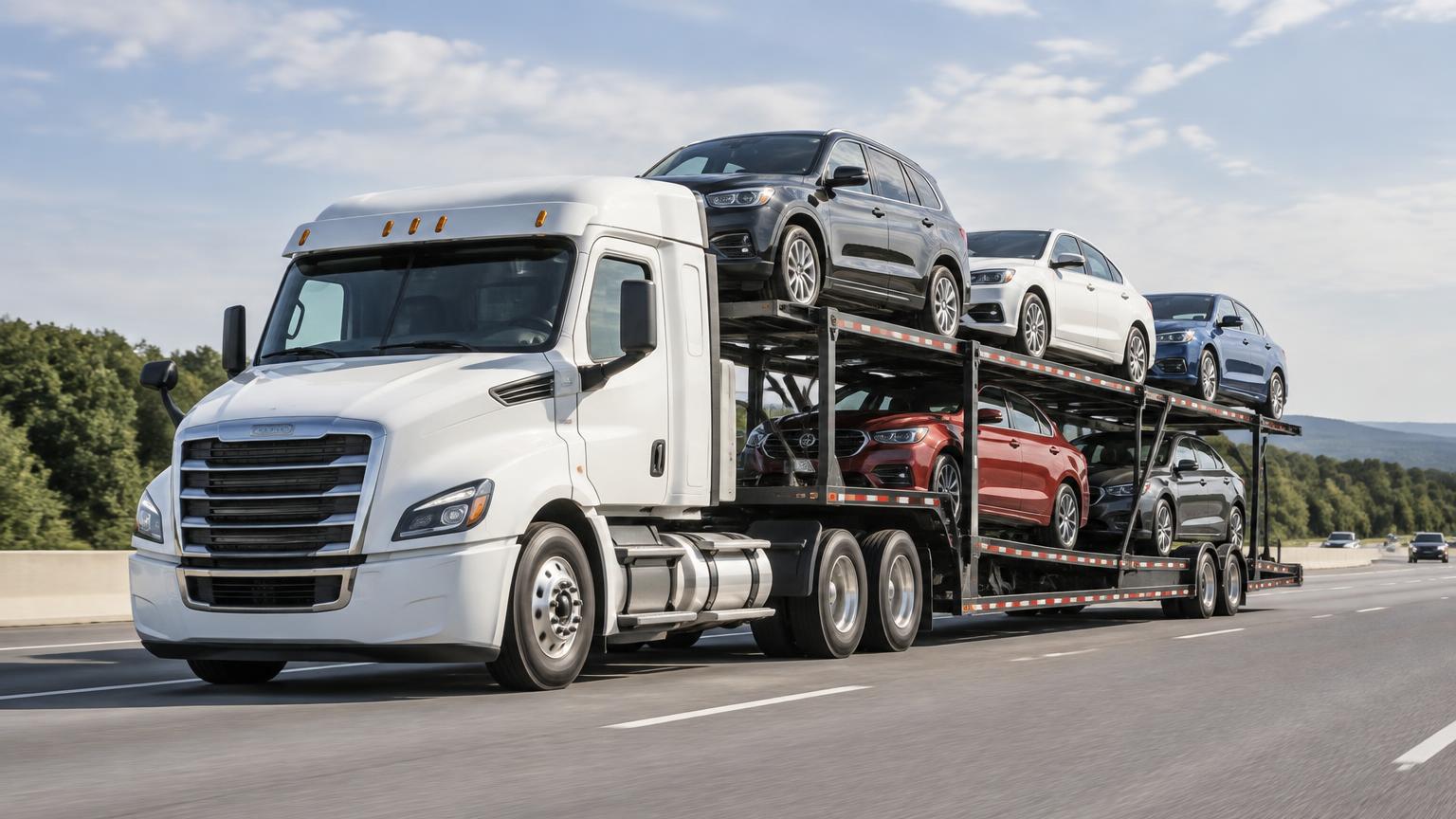
Photo: Illustrative transport image, Created for Velocity Auto Transport Group
- Both directions
- New Jersey ⇄ California
- Endpoint access
- Door-to-door where the street allows
- Equipment
- Open multi-car carrier or enclosed trailer
- Timing
- Pickup windows confirmed with the driver
We arrange this lane in either direction. Pricing and availability differ by direction and season because carrier demand is not symmetrical.
Tight residential streets, low-clearance entrances and gated communities are handled with a nearby meeting point the driver can legally load from.
Open transport fits most vehicles on this lane. Enclosed is available for collector, luxury and low-clearance vehicles.
We do not publish transit-time promises. Once a carrier is assigned, the driver confirms realistic pickup and delivery windows with you.
Lane detail
Shipping a vehicle from New Jersey to California
Two common routing options
For Northern California destinations, carriers typically run I-80 the entire way, crossing Pennsylvania, Ohio, the Midwest, and eventually the Rockies and Sierra Nevada before reaching Sacramento or the Bay Area. For Southern California destinations like Los Angeles or San Diego, carriers more often use a mix of I-70 or I-40 further south, avoiding the highest Sierra passes in favor of a warmer, generally lower-elevation route through the Southwest.
Carrier availability on this cross-country lane
As one of the more common coast-to-coast pairings, this lane sees regular truck traffic, and shipments are frequently combined with other Northeast-to-West-Coast loads on the same trailer to make the long haul efficient for carriers. Direction doesn't shift demand as sharply as it does on shorter seasonal lanes, but overall national demand patterns and time of year still affect how quickly a truck gets assigned.
Mountain weather on the northern route
If the shipment is headed toward Northern California via I-80, winter conditions in the Rockies and Sierra Nevada from roughly November through April can bring snow, chain requirements and occasional road closures that affect scheduling. Carriers monitor conditions and may adjust timing or routing around storms. The more southern paths used for Southern California destinations generally see fewer winter weather disruptions, though desert heat becomes the tradeoff in summer.
Open versus enclosed transport
Open transport is the standard choice for most vehicles on this route and offers the broadest carrier availability for a trip of this length. Enclosed transport is worth considering for exotics, classics or freshly restored cars, or for anyone who wants to minimize exposure to winter road treatment in the mountain passes or extended sun and road grime over such a long distance.
Operable and inoperable vehicles
A vehicle that runs and can be driven on and off the trailer keeps the full range of carriers available for this long-haul lane. A car that doesn't start but still rolls, steers and brakes can typically be winched aboard by most standard carriers. A vehicle that can't roll at all needs a truck with a winch and liftgate, which narrows the carrier pool, so share the vehicle's exact condition when requesting a quote.
Pickup and delivery access at both ends
Dense New Jersey towns near New York City often have narrow streets and local truck restrictions that make meeting the driver at a nearby accessible location more practical than curb delivery. California endpoints vary widely: Bay Area cities can have similarly tight streets and hills, while many Southern California suburbs offer wider roads and easier direct access, aside from some gated communities or dense urban pockets in Los Angeles.
Preparing for a coast-to-coast shipment
Wash the vehicle before pickup so its existing condition is documented, remove toll transponders, take out personal belongings, and leave roughly a quarter tank of fuel. Photograph the car from all angles right before loading given the length of this trip. At delivery, inspect the vehicle against your photos with the driver present and note anything unexpected on the bill of lading before signing.
What determines price and scheduling
On a coast-to-coast lane like this, cost and scheduling speed depend on the specific California destination and route chosen, whether open or enclosed equipment is needed, mountain-pass weather timing if routed via I-80, the vehicle's operability, and how flexible your pickup dates are. Flexible dates generally help the most given how many variables are in play on a trip this long.
Next steps: how auto transport works, what drives cost and the quote form for a written quote on this lane.
Velocity Auto Transport Group LLC is an auto transport brokerage. We arrange vehicle transportation through qualified motor carriers and coordinate your shipment from quote to delivery — the carrier assigned to your vehicle operates the truck.
Illustrative only
Origin
New Jersey
Destination
California
We coordinate this lane in both directions — New Jersey to California and California to New Jersey. The diagram above is a schematic of the two endpoints. It is not a map, a distance estimate or the route the assigned carrier will drive.
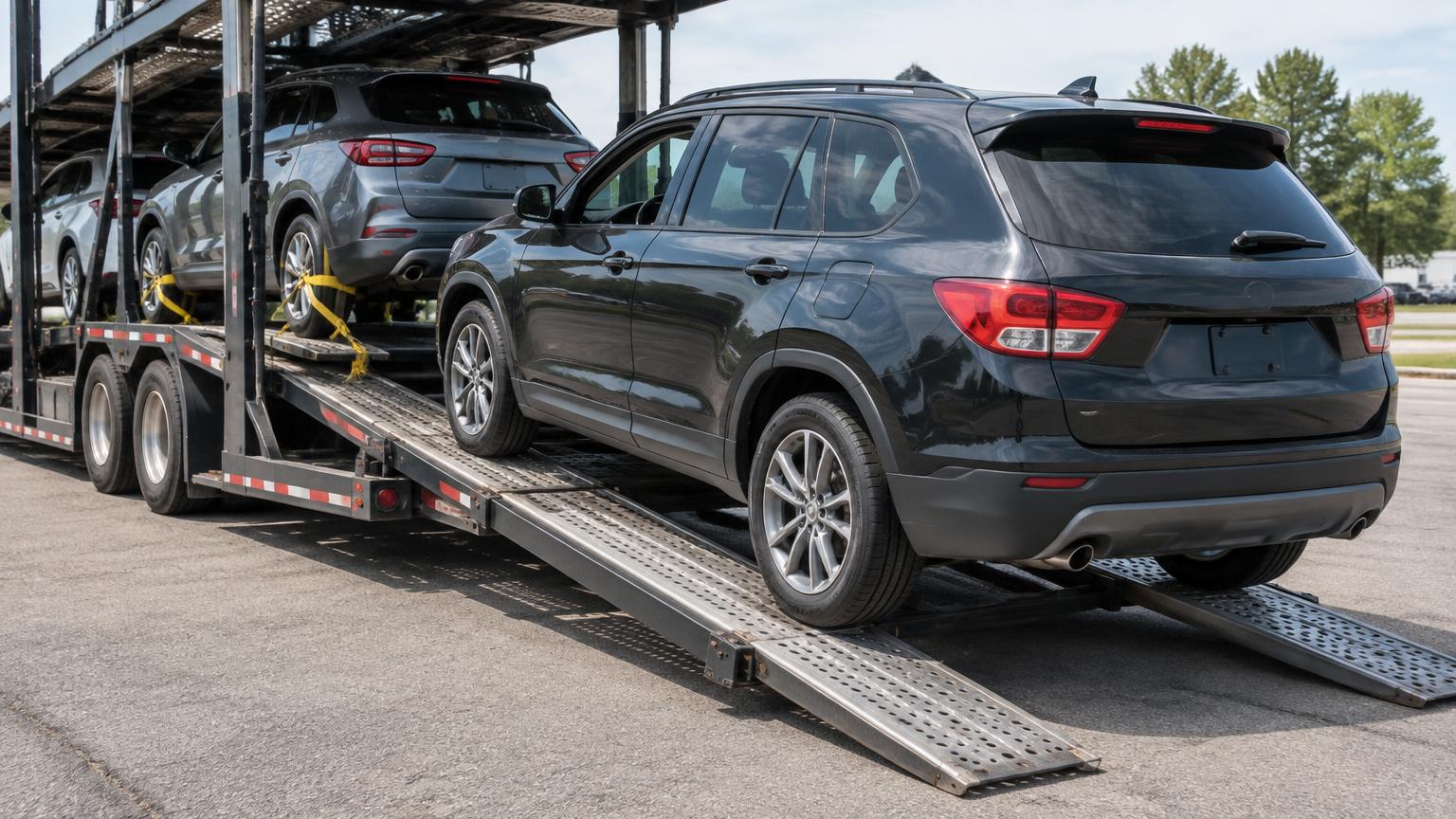
Photo: Illustrative transport image, Created for Velocity Auto Transport Group
Process
Booking this lane, step by step
- 1
Request a quote
Send the pickup and delivery points, the vehicle and whether it runs. Requesting a quote for New Jersey to California is free and never charges anything.
- 2
We review the lane
A person reviews your route against current carrier-market conditions, then sends a written quote with the equipment and timing it assumes.
- 3
Carrier assigned
Once you accept, we arrange a qualified motor carrier for your vehicle and confirm the pickup window with you and the driver.
- 4
Pickup and delivery
The driver inspects and loads the vehicle, documents its condition on the bill of lading, and repeats the inspection with you at delivery.
Plan around this
New Jersey to California: what to plan around
Seasonal demand, weather windows and endpoint access are the three things worth planning for on this lane.
- Sierra and Rockies winter weather: I-80 routing to Northern California can face snow and chain requirements from November through April.
- Dense delivery at both ends: New Jersey towns near NYC and some California cities may require meeting the driver at a nearby accessible location.
- Route depends on California destination: Northern California trips typically use I-80; Southern California trips often use a more southern path via I-40 or I-70/I-15.
- Long-haul planning: This coast-to-coast trip takes several days, so flexible pickup and delivery windows help scheduling.
How we work
What you can expect from us
We are a licensed-carrier brokerage, not a trucking fleet
Velocity Auto Transport Group LLC arranges your transport with qualified motor carriers. The carrier assigned to your vehicle operates the truck; we coordinate the booking, the paperwork and the updates.
Written quotes, reviewed by a person
Your route, vehicle and timing are reviewed against current carrier-market conditions before we send a quote. No instant algorithmic number that changes after you book.
One point of contact from quote to delivery
You reach the same team for scheduling changes, pickup windows and delivery updates rather than a call queue.
Questions
New Jersey to California questions
Related guides
Related guides for this lane
New Jersey car shipping guide
Statewide detail for the New Jersey end of this lane.
Open guideCalifornia car shipping guide
Statewide detail for the California end of this lane.
Open guideNewark car shipping
City-level pickup and delivery detail.
Open guideJersey City car shipping
City-level pickup and delivery detail.
Open guideLos Angeles car shipping
City-level pickup and delivery detail.
Open guideSan Diego car shipping
City-level pickup and delivery detail.
Open guideSan Francisco car shipping
City-level pickup and delivery detail.
Open guideCar Shipping Costs
Open guideEnclosed Auto Transport
Open guideGet a Quote
Open guideAll route guides
Every lane guide we publish.
Open guideGet a quote
Quote this New Jersey to California shipment
Give us the pickup and delivery areas, the vehicle and its condition, and your earliest workable date. We price the lane as carriers are actually accepting it.