
Florida to California
Florida – California Coast-to-Coast Transport
Florida to California is one of the longest domestic auto transport lanes, spanning the full width of the country from the Atlantic to the Pacific. Vehicles move in both directions for relocations, dealer transfers, military moves and seasonal changes, and the sheer distance means routing, equipment choice and scheduling flexibility all matter more here than on shorter regional lanes.
Quotes are free to request. Nothing is charged unless you accept an offer.
- Origin
- Florida
- Destination
- California
- Direction
- Coordinated both ways
- Equipment
- Open or enclosed
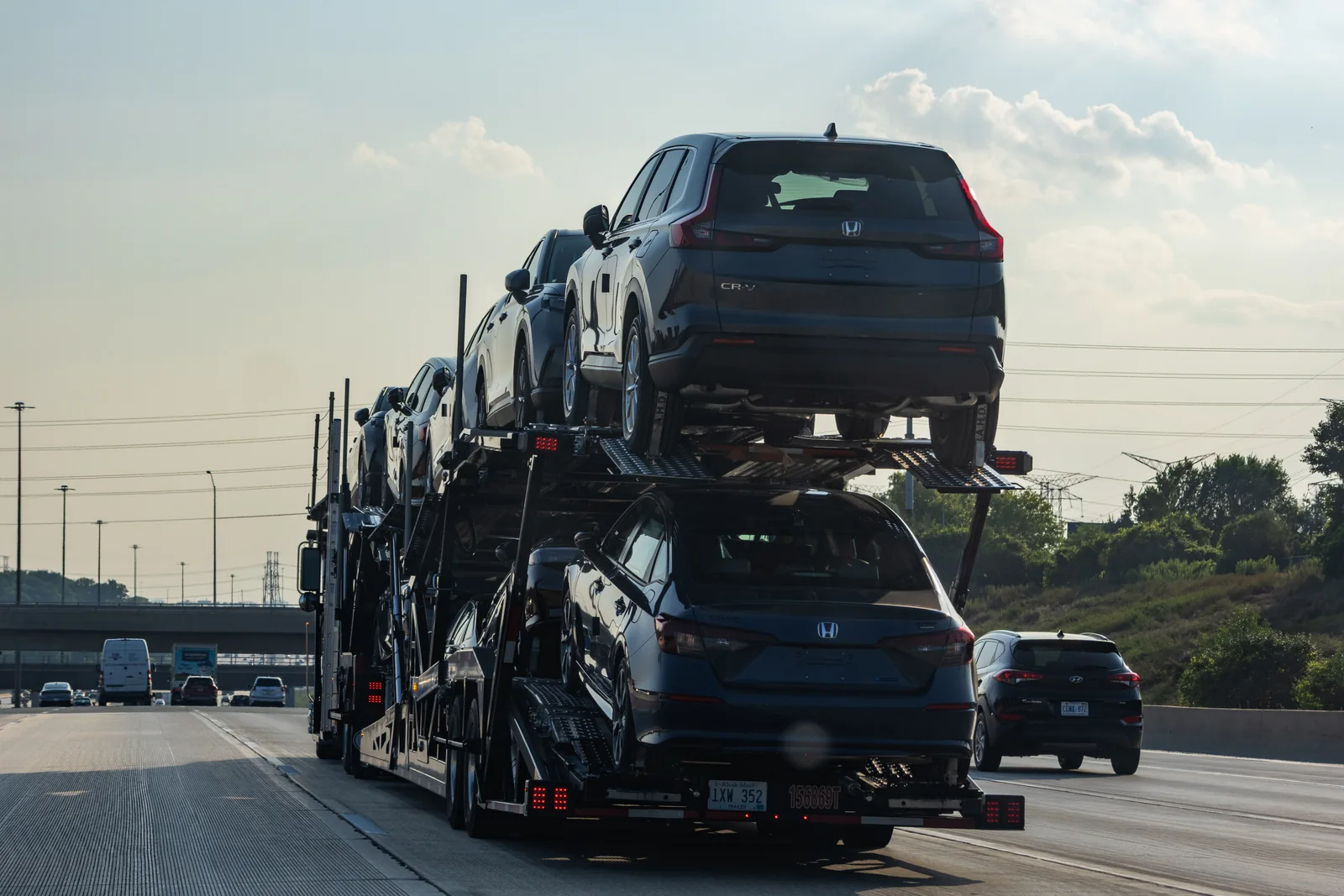
Photo: Car-carrying Trailer on Highway 407, August 15 2025, Dillan Payne, CC BY-SA 4.0 (source)
- Both directions
- Florida ⇄ California
- Endpoint access
- Door-to-door where the street allows
- Equipment
- Open multi-car carrier or enclosed trailer
- Timing
- Pickup windows confirmed with the driver
We arrange this lane in either direction. Pricing and availability differ by direction and season because carrier demand is not symmetrical.
Tight residential streets, low-clearance entrances and gated communities are handled with a nearby meeting point the driver can legally load from.
Open transport fits most vehicles on this lane. Enclosed is available for collector, luxury and low-clearance vehicles.
We do not publish transit-time promises. Once a carrier is assigned, the driver confirms realistic pickup and delivery windows with you.
Lane detail
Shipping a vehicle from Florida to California
Origin and destination context
On the Florida side, this lane typically originates around Miami, Orlando, Tampa or Jacksonville. On the California side, it serves major metros including Los Angeles, San Diego, Sacramento and the San Francisco Bay Area, each with its own driving distance and access considerations. Because the trip crosses so much of the country, carriers running this route are usually consolidating several vehicles bound for the same general region, which is part of why coast-to-coast loads often work well with a slightly flexible pickup window.
What drives carrier availability on this haul
Long coast-to-coast routes are handled by carriers set up for multi-day, multi-stop trips rather than quick regional runs, so availability depends on finding a truck already routing toward your specific California destination or willing to build a load around it. This is a well-traveled corridor overall, but because of the distance, a few extra days of flexibility on pickup timing generally makes it easier for a carrier to fit your vehicle into an already-planned route heading west.
Distance and geography along the way
Unlike shorter lanes, this route crosses several distinct geographic zones, the Gulf South, the Texas plains, and either a southern desert route or a more northern path depending on the exact endpoints. Southern routings through Arizona and the desert Southwest can mean the vehicle experiences high heat in summer, which is a normal part of long-haul transport and generally not a concern for standard vehicles but is worth knowing for anyone shipping something particularly heat-sensitive.
Open versus enclosed transport
Open transport remains the standard and most available option for the large majority of vehicles making this coast-to-coast trip, and it's well suited to daily drivers, SUVs and trucks. Enclosed transport is a strong option for exotics, classics or freshly restored vehicles making a trip this long, since it protects the vehicle from road debris and weather across a multi-day haul that can pass through very different climates from one end to the other.
Operable and inoperable vehicles
A running vehicle that drives onto the trailer under its own power is the simplest case for a haul of this length. A car that won't start but rolls, steers and brakes can typically still be winched onto a standard carrier. A vehicle that can't roll at all requires a specially equipped truck, which narrows the pool of carriers able to take on a coast-to-coast load, describing the real condition of the vehicle at quote time helps match the right equipment from the start rather than causing delays partway through planning.
Pickup and delivery access at both ends
Florida pickups are generally straightforward given the wide roads common across the state's major metros. On the California side, access varies significantly: Los Angeles and San Diego have dense pockets with limited large-truck access in certain neighborhoods, while the Bay Area and Sacramento have their own mix of hillside streets and dense city blocks. In these situations, meeting the driver at a nearby main road or commercial lot is standard practice and keeps the delivery efficient.
Preparation and delivery inspection for a long haul
Before pickup, wash the vehicle so its existing condition is visible, remove toll transponders, remove valuables and any belongings outside your confirmed personal-items allowance, and leave a low amount of fuel in the tank. Photograph the car thoroughly from every angle immediately before loading; this is especially useful on a long-distance haul where the vehicle will be in transit for several days. At delivery in California, inspect the car against your photos with the driver present and record any concerns on the bill of lading before signing. Select the personal-items option on your offer and confirm the assigned carrier's weight, packing and prohibited-item requirements before loading. The first 100 lb is included at no charge; each additional pound is $1, subject to confirmed carrier restrictions. Your selected allowance and charge appear on the offer. Personal belongings are not insured under this option; remove valuables, documents and fragile items. Vehicle coverage is subject to the assigned carrier's policy, limits and exclusions.
What determines price and timing on this coast-to-coast lane
Given the distance involved, pricing and scheduling on this route are shaped by which specific California metro you're shipping to or from, equipment type, whether the vehicle is operable, and how flexible your pickup window is. Flexibility matters more here than on shorter regional lanes, since it allows a carrier to build an efficient route rather than making a special trip, which generally works in your favor for both cost and timing.
Next steps: how auto transport works, what drives cost and the quote form for a written quote on this lane.
Velocity Auto Transport Group LLC is an auto transport brokerage. We arrange vehicle transportation through qualified motor carriers and coordinate your shipment from quote to delivery. The carrier assigned to your vehicle operates the truck.
Illustrative only
Origin
Florida
Destination
California
We coordinate this lane in both directions, Florida to California and California to Florida. The diagram above is a schematic of the two endpoints. It is not a map, a distance estimate or the route the assigned carrier will drive.
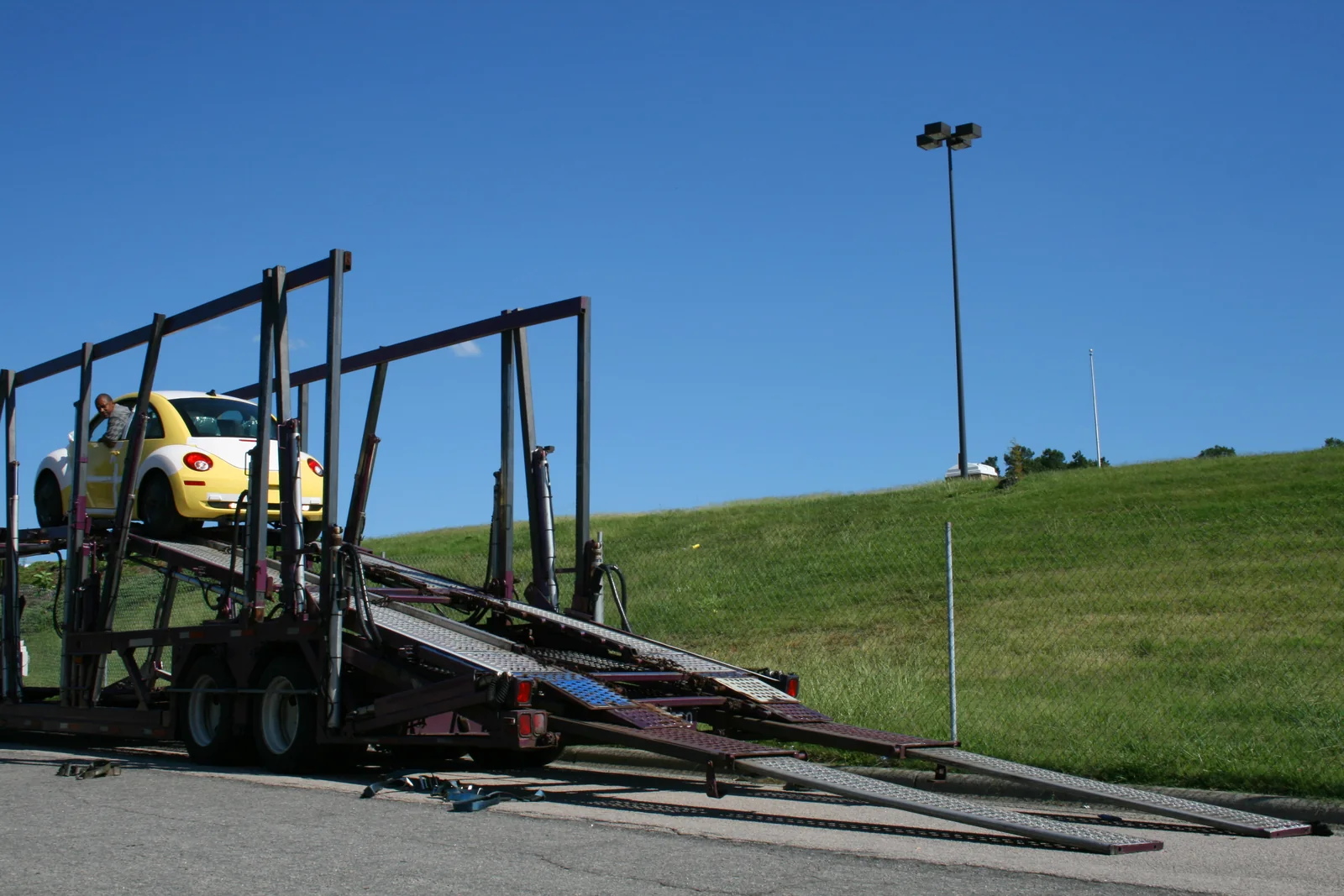
Photo: 2008-08-11 Unloading a VW New Beetle 1, Ildar Sagdejev (Specious), CC BY-SA 4.0 (source)
Process
Booking this lane, step by step
- 1
Request a quote
Send the pickup and delivery points, the vehicle and whether it runs. Requesting a quote for Florida to California is free and never charges anything.
- 2
We review the lane
A person reviews your route against current carrier-market conditions, then sends a written quote with the equipment and timing it assumes.
- 3
Carrier assigned
Once you accept, we arrange a qualified motor carrier for your vehicle and confirm the pickup window with you and the driver.
- 4
Pickup and delivery
The driver inspects and loads the vehicle, documents its condition on the bill of lading, and repeats the inspection with you at delivery.
Plan around this
Florida to California: what to plan around
Seasonal demand, weather windows and endpoint access are the three things worth planning for on this lane.
- Multi-day long-haul routing: This is one of the longest domestic lanes, so a flexible pickup window helps carriers fit your vehicle into an efficient westbound or eastbound route.
- Desert heat on southern routings: A southern route through the desert Southwest can expose vehicles to high summer heat, which is routine for standard vehicles but worth considering for heat-sensitive cargo.
- Dense-urban delivery in California: Parts of Los Angeles, San Diego and the Bay Area may require meeting the driver at a nearby accessible location rather than the exact address.
- Distance varies by California metro: Los Angeles and San Diego are generally reached sooner on this route than Sacramento or the Bay Area, which can affect scheduling.
How we work
What you can expect from us
Our role in your shipment
Velocity Auto Transport Group LLC is an auto transport brokerage that works with independent motor carriers. The assigned carrier operates the transport vehicle.
Written quotes, reviewed by a person
Your route, vehicle and timing are reviewed against current carrier-market conditions before we send a quote. No instant algorithmic number that changes after you book.
One point of contact from quote to delivery
You reach the same team for scheduling changes, pickup windows and delivery updates rather than a call queue.
Questions
Florida to California questions
Related guides
Related guides for this lane
Florida car shipping guide
Statewide detail for the Florida end of this lane.
Open guideCalifornia car shipping guide
Statewide detail for the California end of this lane.
Open guideOrlando car shipping
City-level pickup and delivery detail.
Open guideMiami car shipping
City-level pickup and delivery detail.
Open guideTampa car shipping
City-level pickup and delivery detail.
Open guideLos Angeles car shipping
City-level pickup and delivery detail.
Open guideSan Diego car shipping
City-level pickup and delivery detail.
Open guideSan Francisco car shipping
City-level pickup and delivery detail.
Open guideSacramento car shipping
City-level pickup and delivery detail.
Open guideAll route guides
Every lane guide we publish.
Open guideGet a quote
Quote this Florida to California shipment
Give us the pickup and delivery areas, the vehicle and its condition, and your earliest workable date. We price the lane as carriers are actually accepting it.