

New York to California
New York – California Vehicle Transport
New York to California is one of the longest domestic hauls a carrier can run, crossing the entire country along a mix of interstate corridors. Carriers typically follow I-80 or I-76/I-70 westward before dropping south or north toward the specific California metro, adjusting the route around season and weather. Because the trip spans nearly every climate zone in the contiguous United States, timing and equipment choices matter more here than on shorter regional lanes.
Quotes are free to request. Nothing is charged unless you accept an offer.
- Origin
- New York
- Destination
- California
- Direction
- Coordinated both ways
- Equipment
- Open or enclosed
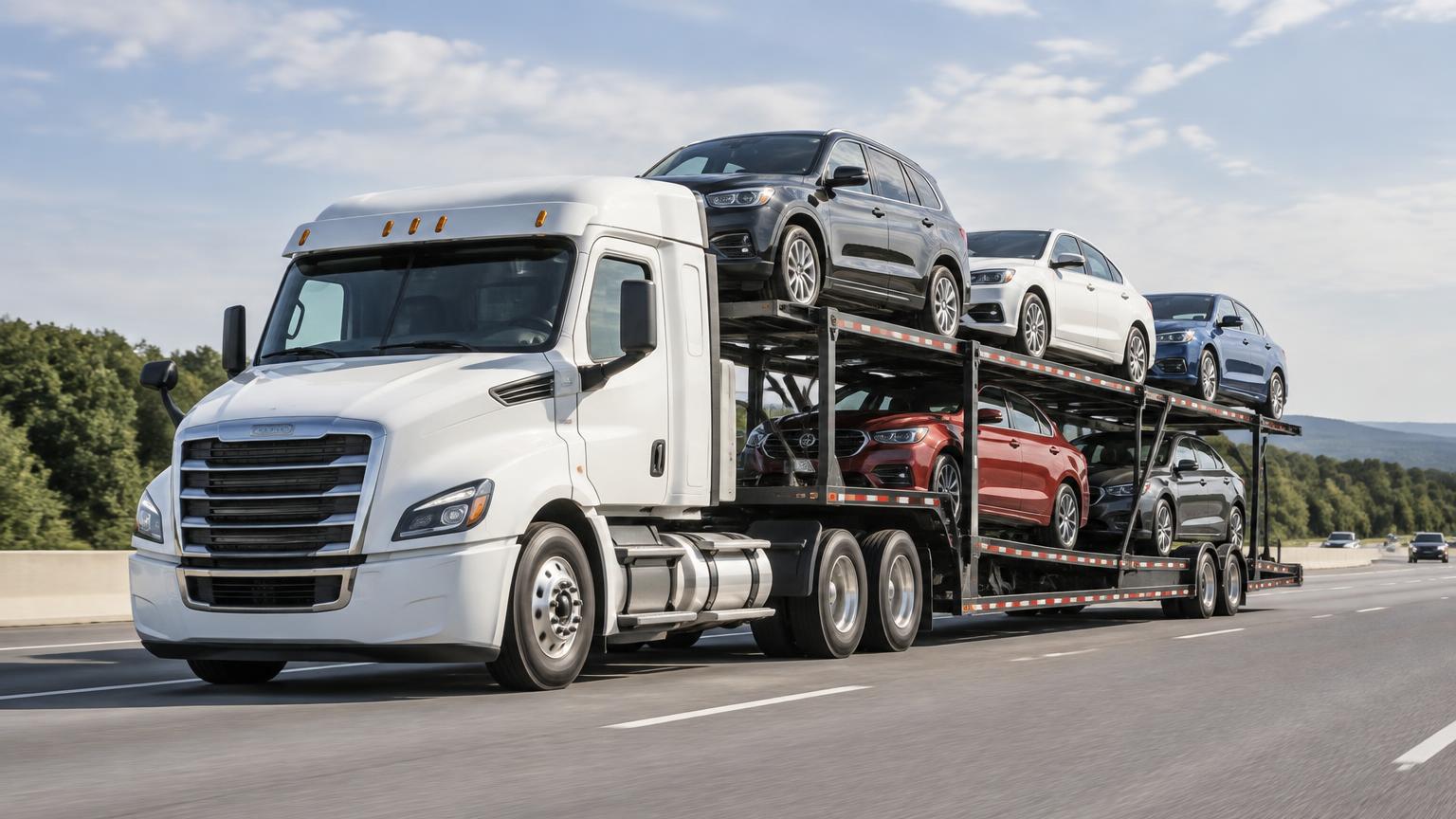
Photo: Illustrative transport image, Created for Velocity Auto Transport Group
- Both directions
- New York ⇄ California
- Endpoint access
- Door-to-door where the street allows
- Equipment
- Open multi-car carrier or enclosed trailer
- Timing
- Pickup windows confirmed with the driver
We arrange this lane in either direction. Pricing and availability differ by direction and season because carrier demand is not symmetrical.
Tight residential streets, low-clearance entrances and gated communities are handled with a nearby meeting point the driver can legally load from.
Open transport fits most vehicles on this lane. Enclosed is available for collector, luxury and low-clearance vehicles.
We do not publish transit-time promises. Once a carrier is assigned, the driver confirms realistic pickup and delivery windows with you.
Lane detail
Shipping a vehicle from New York to California
Two very different endpoints
New York pickups range from wide suburban driveways in Westchester and Long Island to genuinely tight streets in the boroughs, where a full-size carrier often can't reach the curb. California deliveries are spread across sprawling metros like Los Angeles, San Diego, San Francisco and Sacramento, each with its own mix of easy suburban access and congested urban cores. Carriers running this full transcontinental lane frequently combine it with stops in Pennsylvania, Ohio, Illinois or Colorado along the way, since a single-city dedicated run over this distance is uncommon.
Interstate routing across the country
Most carriers moving between New York and California run westward on I-80 through Pennsylvania, Ohio, Indiana, Illinois, Iowa, Nebraska and Wyoming, then continue into Nevada and California, or shift onto I-70 through Colorado's mountain corridor before connecting south or west. The exact path depends on the specific origin and destination cities and on winter conditions in the Rockies and Sierra Nevada. Because the route crosses several mountain passes, road conditions in Wyoming, Colorado and the Sierra can affect the whole schedule more than they would on a shorter regional trip.
Winter weather on the mountain passes
From late fall through early spring, sections of I-80 and I-70 through Wyoming, Colorado, Utah and the Sierra Nevada can see snow, high winds and occasional closures, particularly at higher elevations like Donner Pass and the passes east of Salt Lake City. Carriers plan around these conditions, sometimes adjusting departure timing or routing slightly south, which can add flexibility needs to a winter pickup or delivery window. Shipping in summer or shoulder-season months generally avoids this variable entirely.
Desert heat in the warmer months
In the summer, the stretch through Nevada and inland Southern California brings extreme daytime heat, which carriers account for with driving schedules and can be a factor for vehicles with sensitive components or older cooling systems. It rarely stops a shipment, but it's part of why carriers sometimes prefer early morning loading or unloading during peak summer weeks in the desert Southwest.
Open versus enclosed transport
Open transport is standard for this route and covers the large majority of everyday vehicles moving coast to coast, offering the widest carrier availability for a haul of this length. Enclosed transport is worth considering for exotics, classics or freshly restored vehicles making the cross-country trip, since it protects against road debris and weather exposure across multiple climate zones — a more meaningful consideration here than on a short regional lane, given how much varied terrain and weather the vehicle passes through.
Operable and inoperable vehicles
A running vehicle that can be driven on and off the trailer keeps the carrier pool wide open for this lane. A car that doesn't start but still rolls, steers and brakes can typically be winched aboard by most standard carriers. A vehicle that can't roll at all requires a truck equipped with a winch and liftgate, which narrows the field of available carriers for a haul this long — describing the vehicle's actual condition accurately when requesting a quote helps match the right equipment from the start.
Pickup and delivery access at both ends
In New York City boroughs, Long Island and older Hudson Valley towns, a large carrier often can't reach the exact address due to narrow streets, low branches or parking restrictions, so meeting the driver at a nearby wide street, lot or shopping center is common practice. California addresses in suburban areas around Los Angeles, Sacramento or San Diego are usually more accommodating, though dense pockets of San Francisco present similar urban constraints to New York. Confirming access at both ends ahead of time helps keep the schedule on track.
What determines price and scheduling
Given the distance involved, price and scheduling on this lane depend on the same core factors as any route, just amplified by mileage: whether the vehicle needs open or enclosed equipment, whether it's operable, how flexible the pickup and delivery windows are, and how accessible both addresses are for a large carrier. Winter timing near the mountain passes and summer heat through the desert Southwest are worth factoring into planning, though they affect routing and driver scheduling more than they change the shipment's basic feasibility.
Next steps: how auto transport works, what drives cost and the quote form for a written quote on this lane.
Velocity Auto Transport Group LLC is an auto transport brokerage. We arrange vehicle transportation through qualified motor carriers and coordinate your shipment from quote to delivery — the carrier assigned to your vehicle operates the truck.
Illustrative only
Origin
New York
Destination
California
We coordinate this lane in both directions — New York to California and California to New York. The diagram above is a schematic of the two endpoints. It is not a map, a distance estimate or the route the assigned carrier will drive.
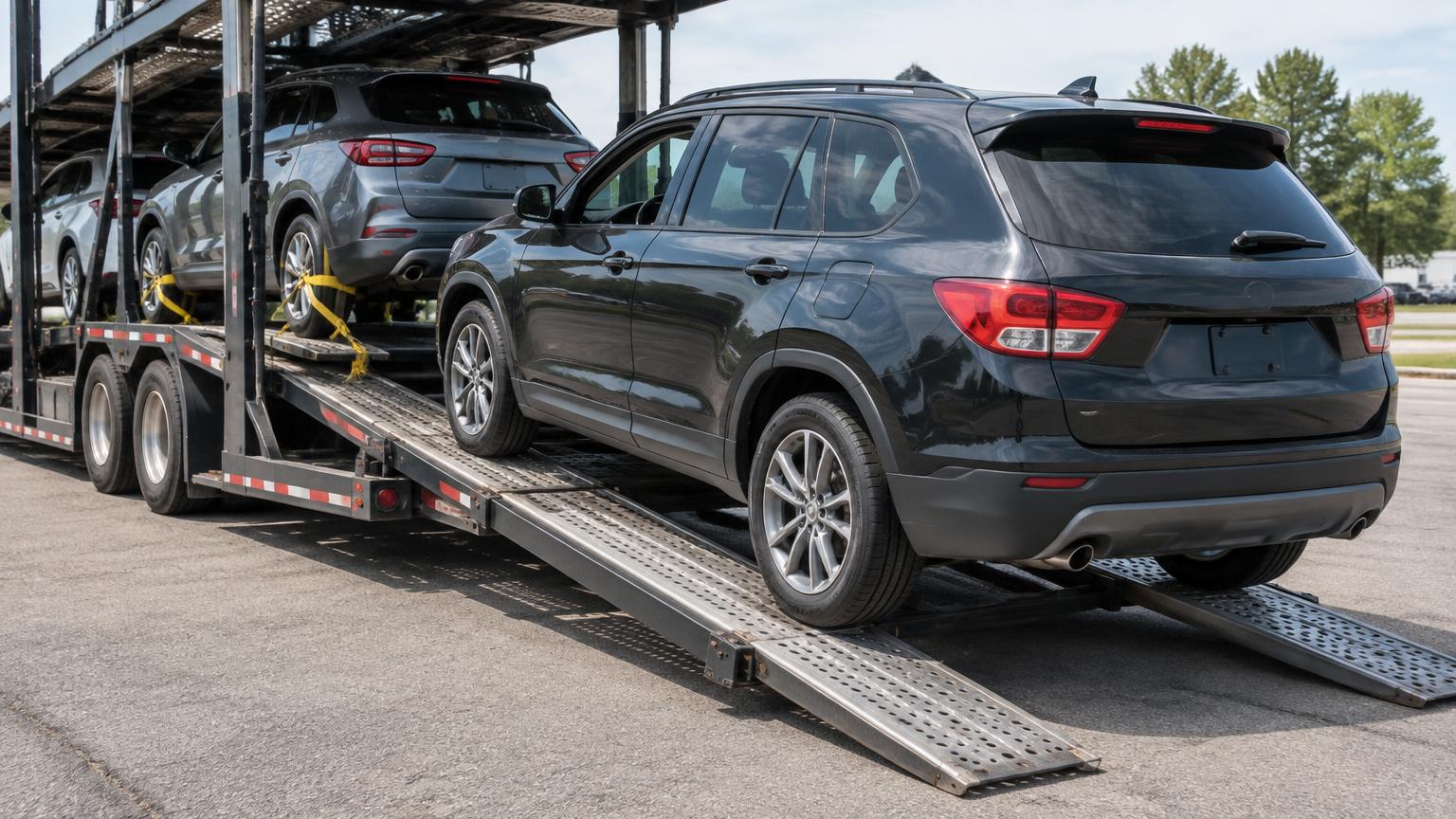
Photo: Illustrative transport image, Created for Velocity Auto Transport Group
Process
Booking this lane, step by step
- 1
Request a quote
Send the pickup and delivery points, the vehicle and whether it runs. Requesting a quote for New York to California is free and never charges anything.
- 2
We review the lane
A person reviews your route against current carrier-market conditions, then sends a written quote with the equipment and timing it assumes.
- 3
Carrier assigned
Once you accept, we arrange a qualified motor carrier for your vehicle and confirm the pickup window with you and the driver.
- 4
Pickup and delivery
The driver inspects and loads the vehicle, documents its condition on the bill of lading, and repeats the inspection with you at delivery.
Plan around this
New York to California: what to plan around
Seasonal demand, weather windows and endpoint access are the three things worth planning for on this lane.
- Mountain pass weather: I-80 and I-70 cross high-elevation terrain in Wyoming, Colorado, Utah and the Sierra Nevada that can see snow and wind in winter months.
- Desert summer heat: The Nevada and inland Southern California stretch sees high summer temperatures that can influence driving schedules.
- Urban delivery limits: Dense parts of New York City and San Francisco often require meeting the driver at an accessible nearby location.
- Long-haul flexibility: Given the distance, a flexible pickup and delivery window generally results in smoother scheduling than a fixed same-day requirement.
- Equipment protection: Enclosed transport is a reasonable option for higher-value vehicles crossing this many climate zones in one trip.
How we work
What you can expect from us
We are a licensed-carrier brokerage, not a trucking fleet
Velocity Auto Transport Group LLC arranges your transport with qualified motor carriers. The carrier assigned to your vehicle operates the truck; we coordinate the booking, the paperwork and the updates.
Written quotes, reviewed by a person
Your route, vehicle and timing are reviewed against current carrier-market conditions before we send a quote. No instant algorithmic number that changes after you book.
One point of contact from quote to delivery
You reach the same team for scheduling changes, pickup windows and delivery updates rather than a call queue.
Questions
New York to California questions
Related guides
Related guides for this lane
New York car shipping guide
Statewide detail for the New York end of this lane.
Open guideCalifornia car shipping guide
Statewide detail for the California end of this lane.
Open guideNew York City car shipping
City-level pickup and delivery detail.
Open guideLong Island car shipping
City-level pickup and delivery detail.
Open guideLos Angeles car shipping
City-level pickup and delivery detail.
Open guideSan Francisco car shipping
City-level pickup and delivery detail.
Open guideSan Diego car shipping
City-level pickup and delivery detail.
Open guide/car-shipping-costs
Open guide/services/enclosed-auto-transport
Open guide/routes
Open guide/quote
Open guideGet a quote
Quote this New York to California shipment
Give us the pickup and delivery areas, the vehicle and its condition, and your earliest workable date. We price the lane as carriers are actually accepting it.