

Texas to New York
Texas – New York Vehicle Transport
Texas and New York are linked by a long diagonal route across the country, typically running through the mid-South and Mid-Atlantic before reaching the Northeast. This lane connects two large, high-volume vehicle markets, and its planning considerations shift from Texas heat on one end to Northeast winter weather and dense urban delivery access on the other.
Quotes are free to request. Nothing is charged unless you accept an offer.
- Origin
- Texas
- Destination
- New York
- Direction
- Coordinated both ways
- Equipment
- Open or enclosed
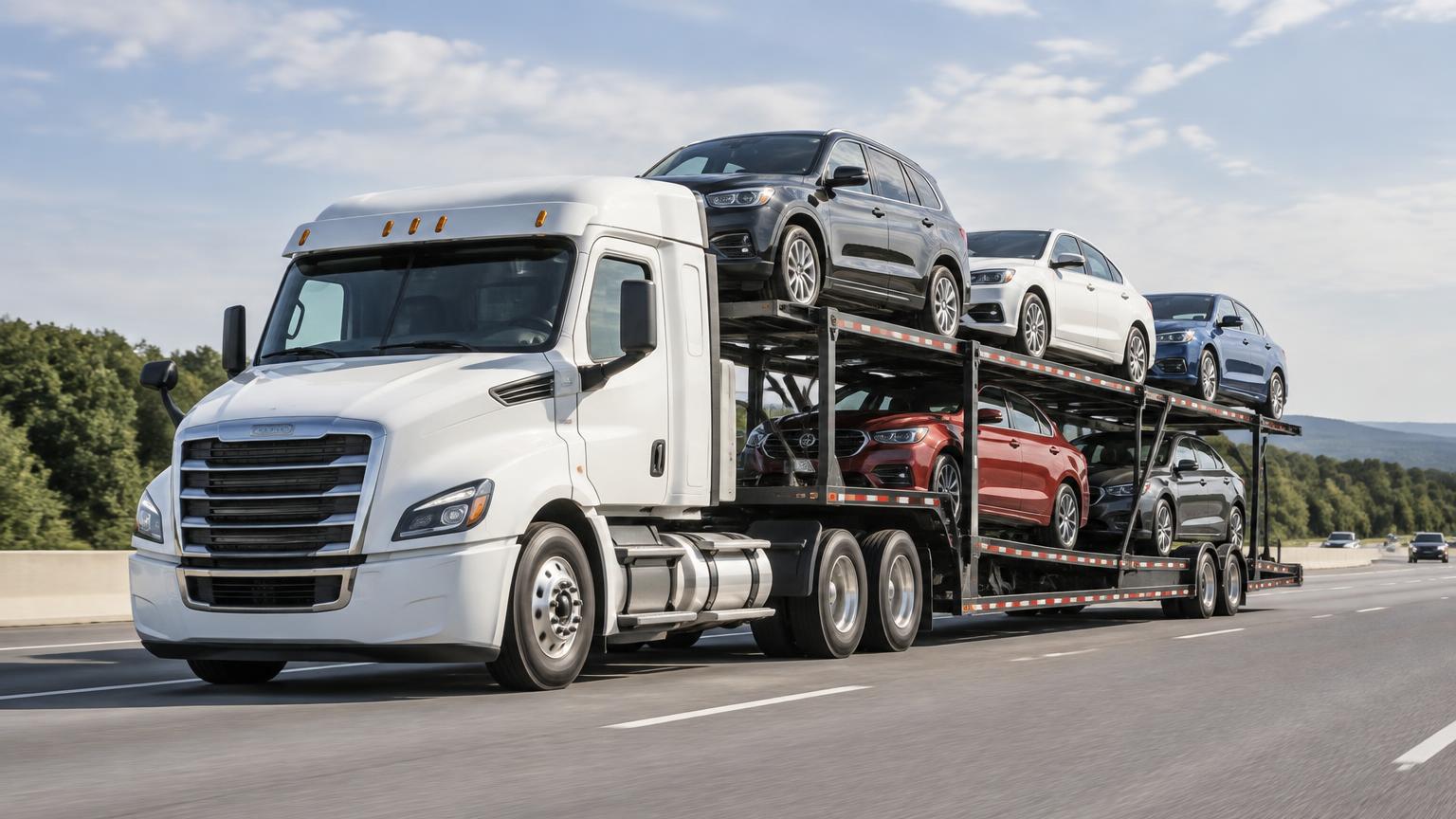
Photo: Illustrative transport image, Created for Velocity Auto Transport Group
- Both directions
- Texas ⇄ New York
- Endpoint access
- Door-to-door where the street allows
- Equipment
- Open multi-car carrier or enclosed trailer
- Timing
- Pickup windows confirmed with the driver
We arrange this lane in either direction. Pricing and availability differ by direction and season because carrier demand is not symmetrical.
Tight residential streets, low-clearance entrances and gated communities are handled with a nearby meeting point the driver can legally load from.
Open transport fits most vehicles on this lane. Enclosed is available for collector, luxury and low-clearance vehicles.
We do not publish transit-time promises. Once a carrier is assigned, the driver confirms realistic pickup and delivery windows with you.
Lane detail
Shipping a vehicle from Texas to New York
Origin and destination context
Texas pickups span Houston, Dallas-Fort Worth, San Antonio, Austin and El Paso, each of which offers wide roads and generally easy carrier access. New York deliveries range from suburban Long Island and the Hudson Valley to the dense boroughs of New York City, where access is far more limited for a full-size rig. Carriers running this lane frequently combine it with stops in Tennessee, Virginia, Pennsylvania or New Jersey along the way.
Interstate routing options
From Texas, carriers commonly route northeast via I-40 through Arkansas, Tennessee and into Virginia, connecting to I-81 or I-95 for the final push into New York, or take a more southerly path through I-20 and I-85 depending on the specific origin city. The exact route depends heavily on which Texas metro the vehicle starts in, since Houston, Dallas and El Paso connect to the Northeast somewhat differently.
Weather across two very different climates
The Texas side of this trip deals mainly with summer heat, particularly in the western and southern parts of the state. As the route moves northeast into Tennessee, Virginia and the Mid-Atlantic, the seasonal factor shifts to winter weather — snow and ice in the Appalachian foothills and, at the New York end, genuine winter storms from December through March that can affect road conditions and delivery scheduling.
Open versus enclosed transport
Open transport is standard for this lane and covers the majority of everyday vehicles moving between Texas and New York, with the broadest carrier availability. Enclosed transport suits exotics, classics or freshly restored vehicles, and is a meaningful option for winter shipments into New York, where the vehicle may encounter snow, ice or salted roads that a standard open trailer exposes it to.
Operable and inoperable vehicles
A running vehicle that can be driven onto the trailer keeps the full standard carrier fleet available for this long-distance lane. A car that won't start but still rolls, steers and brakes can typically be winched aboard without much trouble. A non-rolling vehicle requires a truck with a winch and liftgate, which narrows the carrier pool for a haul this long — noting the vehicle's actual condition at quote time helps match the right equipment.
Delivery access in the New York area
Most Texas addresses present few access challenges for a full-size carrier. On the New York end, the five boroughs, Long Island and older Westchester or Hudson Valley towns often require meeting the driver at a nearby wide street, lot or shopping center rather than the exact curb, due to narrow streets, low branches and parking restrictions. This is standard practice on this lane and doesn't change the door-to-door nature of the service in the broader sense used across the industry.
What determines price and scheduling
On this cross-country lane, price and scheduling speed depend on whether the vehicle needs open or enclosed equipment, whether it's operable, how flexible the pickup and delivery windows are, and the season given the winter weather affecting the Northeast portion of the route. Shipping outside the harshest winter months generally reduces weather-related timing variability at the New York end.
Next steps: how auto transport works, what drives cost and the quote form for a written quote on this lane.
Velocity Auto Transport Group LLC is an auto transport brokerage. We arrange vehicle transportation through qualified motor carriers and coordinate your shipment from quote to delivery — the carrier assigned to your vehicle operates the truck.
Illustrative only
Origin
Texas
Destination
New York
We coordinate this lane in both directions — Texas to New York and New York to Texas. The diagram above is a schematic of the two endpoints. It is not a map, a distance estimate or the route the assigned carrier will drive.
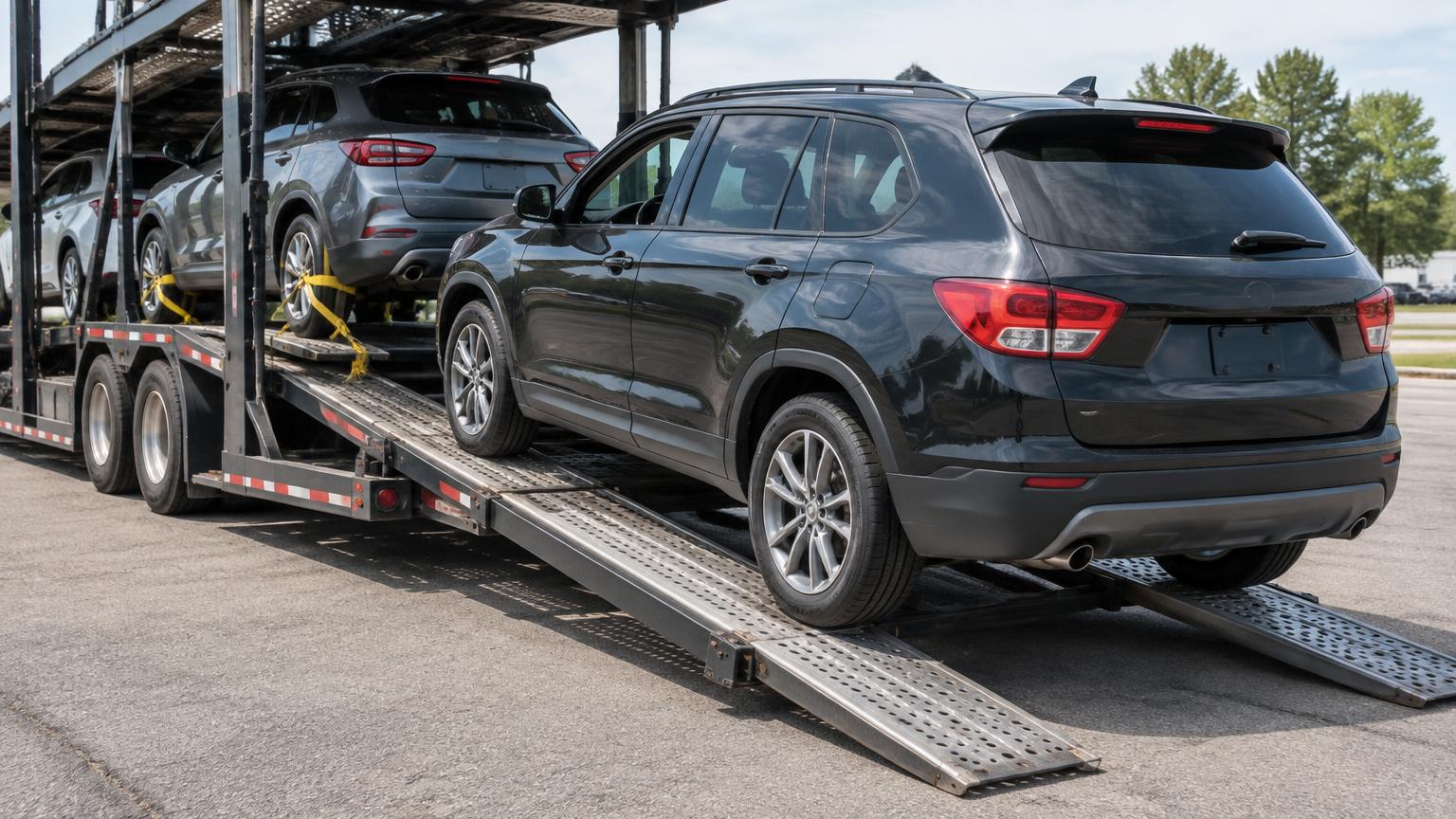
Photo: Illustrative transport image, Created for Velocity Auto Transport Group
Process
Booking this lane, step by step
- 1
Request a quote
Send the pickup and delivery points, the vehicle and whether it runs. Requesting a quote for Texas to New York is free and never charges anything.
- 2
We review the lane
A person reviews your route against current carrier-market conditions, then sends a written quote with the equipment and timing it assumes.
- 3
Carrier assigned
Once you accept, we arrange a qualified motor carrier for your vehicle and confirm the pickup window with you and the driver.
- 4
Pickup and delivery
The driver inspects and loads the vehicle, documents its condition on the bill of lading, and repeats the inspection with you at delivery.
Plan around this
Texas to New York: what to plan around
Seasonal demand, weather windows and endpoint access are the three things worth planning for on this lane.
- Texas summer heat: The Texas portion of this route can see extreme summer temperatures that affect driver scheduling near the start of the trip.
- Northeast winter storms: New York and the Mid-Atlantic states can see significant snow and ice from December through March, affecting road conditions and delivery timing.
- Dense NYC-area delivery: The five boroughs, Long Island and older suburbs often require meeting the driver at an accessible nearby location rather than the exact address.
- Route variation by Texas city: Houston, Dallas and El Paso connect to the Northeast via somewhat different interstate paths, affecting overall distance and routing.
How we work
What you can expect from us
We are a licensed-carrier brokerage, not a trucking fleet
Velocity Auto Transport Group LLC arranges your transport with qualified motor carriers. The carrier assigned to your vehicle operates the truck; we coordinate the booking, the paperwork and the updates.
Written quotes, reviewed by a person
Your route, vehicle and timing are reviewed against current carrier-market conditions before we send a quote. No instant algorithmic number that changes after you book.
One point of contact from quote to delivery
You reach the same team for scheduling changes, pickup windows and delivery updates rather than a call queue.
Questions
Texas to New York questions
Related guides
Related guides for this lane
Texas car shipping guide
Statewide detail for the Texas end of this lane.
Open guideNew York car shipping guide
Statewide detail for the New York end of this lane.
Open guideHouston car shipping
City-level pickup and delivery detail.
Open guideDallas car shipping
City-level pickup and delivery detail.
Open guideNew York City car shipping
City-level pickup and delivery detail.
Open guideLong Island car shipping
City-level pickup and delivery detail.
Open guideBuffalo car shipping
City-level pickup and delivery detail.
Open guideAll route guides
Every lane guide we publish.
Open guideGet a quote
Quote this Texas to New York shipment
Give us the pickup and delivery areas, the vehicle and its condition, and your earliest workable date. We price the lane as carriers are actually accepting it.